




If you are like me and you loved season 3 of HBO’s The White Lotus,…

Everything You Need to Know Before Visiting Thailand for the First Time

Popular posts
Popular posts
Thailand is a major bucket-list destination for millions of people, and it’s easy to see why! Whether you’re eager to sample some of the world’s tastiest cuisine, hoping to relax on pristine beaches with calm, crystal-clear waters, or excited to immerse yourself in vibrant Thai culture, Thailand is an incredibly diverse destination with something to offer for everyone.
With so much to see and do, I understand that planning a first trip to Thailand can feel a bit overwhelming. That’s why I’ve put together this guide to share everything that you should know before visiting Thailand to ensure that your trip is smooth, stress-free, and that you get the most out of your experience!
Here’s everything you need to know before visiting Thailand for the first time:
Table of Contents
- Best Time to Visit Thailand
- Visa Requirements for Thailand
- Thai Currency
- Safety in Thailand:
- Common Scams to Look Out For in Thailand
- Staying connected in Thailand
- Getting Around Thailand
- Booking flights & public transportation in Thailand:
- Island-Hopping Considerations for Thailand
- Andaman Coast vs. Gulf of Thailand
- What to Pack for Thailand
- Cultural Etiquette & Customs in Thailand
- Helpful Phrases to Use in Thailand
- Must-Do Activities & Experiences in Thailand
- Festivals & Events in Thailand
- Conclusion
Best Time to Visit Thailand

When planning your trip to Thailand, it’s crucial to understand that the time of year you visit will significantly impact which regions you should prioritize visiting. Thailand has distinct regional weather patterns, and visiting certain areas during the wrong season can really put a damper on your trip.
Dry Season in Thailand

Generally speaking, the best time to visit Thailand is during the cool and dry season from November to February. During these months, you’ll experience pleasant temperatures, minimal rainfall, and clear skies, which is perfect for both exploring cities and temples or lounging on beaches!However, keep in mind that this is also peak tourist season, which means higher prices and bigger crowds at popular attractions.
Rainy Season in Thailand

Thailand’s rainy season last from May – October, and July-September typically bring in the most rain.
If you don’t mind a bit of rain and want to avoid the masses, Thailand’s shoulder seasons (April-June and September-October) can be great times to visit, with the caveat that it’s probably best to avoid the burning season in the north during March-April.
Thailand’s Burning Season

If you plan to visit northern Thailand, I strongly suggest that you avoid traveling in March and April. During these months, the region experiences what’s known as “burning season”, which is a period when farmers burn their fields to clear land for the next planting season. This creates thick smoke and haze that can make breathing difficult, obscure mountain views, and generally make outdoor activities pretty unpleasant.
If you visit Thailand between March and April, you’ll want to seriously consider skipping Northern Thailand altogether. During the burning season, air quality in Chiang Mai and Chiang Rai can reach hazardous levels. So, if you ARE visiting during this time, I’d suggest planning a Southern Thailand + Islands itinerary, where the air quality is much better. These are also Thailand’s hottest months, so you’ll definitely want to spend the majority of your time at the beach!
Visa Requirements for Thailand
Most nationalities can enter Thailand visa-free for up to 30 days (or 45-60 days depending on your nationality and current Thai immigration policies). Since regulations change frequently, I recommend checking the Thai embassy website and looking up your specific home country to confirm the current visa requirements.
If you plan to spend more than 30 days in Thailand, you will likely need to spend some time in a neighboring country in order to remain in Thailand without a visa. I wanted to spend more than 30 days in Thailand, so I went to Laos for a week, and had a fantastic experience. Many tourists will also go to Cambodia or Malaysia to allow themselves to spend more time in Thailand without a visa.
🚨 Important: Thailand’s Digital Arrival Card
As of May 2025, Thailand requires all visitors to complete a digital arrival card within 3 days of arriving. Filling it out ahead of time is absolutely worthwhile and will significantly smooth and speed up the customs process. While there is a dedicated line at the airport for people who didn’t fill it out beforehand, trust me, you don’t want to be stuck in a slower-moving queue after a long international flight.
Thai Currency
Thailand’s currency is the Thai Baht (THB). At the time of writing this, the exchange rate is approximately 35-36 baht per 1 USD, but this always fluctuates, so make sure to look up the value of the Baht relative to your currency before you arrive and avoid any nasty spending surprises!
While credit cards are widely accepted in Bangkok and tourist areas, cash is still king in Thailand, especially at local restaurants, markets, and when paying for transportation like tuk-tuks. I recommend withdrawing cash from ATMs as needed (though be aware that most Thai ATMs charge a flat 220 baht fee per withdrawal, so it’s better to take out larger amounts less frequently).
Is Thailand Safe?

Yes, overall, Thailand is a very safe country. Thailand is one of the most tourist-friendly countries in Southeast Asia, welcoming over 40 million visitors annually. Thai people are known for their warmth and hospitality, and violent crime against tourists in Thailand is very rare. With that said, like anywhere in the world, it’s important to stay aware and take basic precautions to keep safe during your trip.
Safety in Thailand:

- Petty Theft: The most common issue tourists face in Thailand is petty theft – pickpocketing, bag snatching, and phone theft. This is especially common in crowded areas like markets, on public transportation, and at beach parties. Keep your valuables secure, don’t flash expensive jewelry or electronics, and keep your bag in front of you in crowded areas.
- Scams: Scams targeting tourists in Thailand do exist (I will outline some of the most common scams that you will see in Thailand shortly). Stay alert, do your research, and remember that if something seems too good to be true, it probably is.
- Traffic Safety: Honestly, the roads in Thailand can be quite dangerous, especially in Bangkok. If you’re renting a scooter, ALWAYS wear a helmet, drive defensively, and consider getting travel insurance that covers scooter accidents. Many tourists get injured in scooter accidents every year (usually due to inexperience or reckless driving), so take this seriously. If you’re not an experienced rider, consider sticking to public transport like Grab (a popular transportation and food delivery service in Thailand). I personally didn’t feel comfortable riding a scooter, and I was able to go everywhere I wanted with Grab or a private driver.
- Natural Hazards: Thailand does have some natural hazards that you should be wary of. Be aware of ocean conditions when swimming – If you visit during the rainy season, there could be strong currents and even rip tides in Phuket in particular, so pay attention to warning flags at beaches. Also, be cautious of jellyfish during certain times of year (particularly April-October on some beaches). While they are harmless, it’s definitely not fun to come across one of them, and a bad sting could absolutely ruin a beach day. During the rainy season, “sea lice” are common in some beach destinations like Koh Phi Phi and Krabi. Sea lice are basically tiny jellyfish that you can’t see, but still sting and will cause burning/itchy rashes.
- Political Situations: Thailand has experienced political tensions and protests in the past, though these rarely affect tourists. Recently, there has been unrest and violence along the Cambodian border, so it is probably best to avoid this region for the time being (My 2 Week Itinerary avoids this area, if you want to use it as a reference), but you will be unaffected by the situation throughout the rest of the nation.
- Solo Female Travel: Thailand is generally very safe for solo female travelers, and it’s actually one of the more popular destinations for women traveling alone! That being said, use the same common sense you would anywhere: don’t walk alone in isolated areas late at night, watch your drinks at bars, and trust your instincts. I spent part of my time in Thailand alone, and I had a wonderful experience with no problems whatsoever!
Quick Safety Tips for Thailand:
- Keep photocopies of your passport (and digital copies in your email)
- Don’t leave valuables unattended on the beach
- Be cautious when accepting drinks from strangers
- Let someone know your plans if heading to remote areas
- Trust your gut – if something feels wrong, remove yourself from the situation
Millions of people visit Thailand every year and have safe, amazing experiences. By taking basic precautions and staying aware of your surroundings, you’ll most likely have a trouble-free trip!
Common Scams to Look Out For in Thailand

While Thailand is a safe country, it is definitely no stranger to scams. Here are a few common scams to be aware of during your time in Thailand:
- The “Temple is Closed” Scam: A friendly stranger or tuk-tuk driver tells you that the Grand Palace or major temple is closed for a special ceremony, then offers to take you to other temples or shops instead (where they get commission). The temple is almost never actually closed – verify temple hours yourself and don’t trust random people who approach you. I actually encountered this scam on my first full day in Bangkok, so it’s definitely a really common one.
- Flat Rate Trap: Always agree on a price before getting in a tuk-tuk. If a driver offers an extremely cheap rate (like 20 baht for a long journey), they’ll likely take you to gem shops or tailors where they earn commission and pressure you to buy something, wasting your time and making for an awkward situation.
- Jet Ski and Boat Rental Scams: This is particularly common in Phuket and Pattaya. You rent a jet ski or boat, and when you return it, the owner claims you damaged it and demands an outrageous amount of money for repairs. To avoid this, take extensive photos and videos of the jet ski before you use it, documenting every scratch and dent. Better yet, rent from well-reviewed, established rental companies, or skip jet skis altogether and stick to other water activities.
- Grand Palace Dress Code Scam: Vendors near the Grand Palace may tell you that your clothing isn’t appropriate for entering the temple (even when it is) and conveniently offer to sell or rent you overpriced pants, skirts, or scarves. While the Grand Palace does have a strict dress code and requires covered shoulders (and a scarf is not sufficient) and knees, check the official dress code yourself rather than trusting vendors.
Food & Water Safety in Thailand

One of the biggest concerns for travelers to Thailand is avoiding food poisoning and stomach issues. While it’s impossible to guarantee that you won’t get sick, following these guidelines will significantly reduce your risk:
Drinking Water in Thailand

Never drink tap water in Thailand. Thai tap water is not treated to the same standards that many travelers are accustomed to and can contain bacteria that will make you sick. Here are some best practices for avoiding any issues:
- Don’t drink from the tap
- Don’t brush your teeth with tap water (always use bottled water)
- Ice is usually fine at reputable restaurants and hotels, as it’s typically made with filtered water (you can often tell when it’s machine-made in Thailand). Thai people love ice, and they can’t drink the tap water either, so most restaurants and cafés in cities and tourist areas use filtered water for ice. However, if you’re eating at a very local restaurant in the countryside, it’s best to skip the ice and order bottled water instead.
- Be cautious with fresh smoothies from some street vendors, as the ice may be made from tap water. Most vendors do use filtered water, even in street markets, but it’s still worth being mindful, especially if you’re visiting a more rural or less touristy area.
Bottled water is incredibly cheap in Thailand (usually 10–20 baht per bottle) and available everywhere, so there’s really no reason to risk it. Most hotels and guesthouses also provide complimentary bottled water in your room.
Restaurant Safety in Thailand

Eating at established restaurants is generally very safe in Thailand. Most restaurants that cater to tourists follow good hygiene practices. Air-conditioned restaurants, hotel restaurants, and places with good reviews are your safest bets.
With that said, though, some of the best food I had in Thailand came from humble street stalls, so don’t let fear keep you from experiencing the incredible street food culture – just be smart about it and avoid trying any food that doesn’t look fresh or seems visually unsanitary!
Street Food Safety in Thailand

Despite what you might have heard, street food in Thailand is generally very safe – you just need to know what to look for. Here are my top tips for eating street food without getting sick:
- Look for high turnover: Choose stalls that are busy with lots of customers, especially locals. High turnover means the food is fresh and hasn’t been sitting out for hours. If a stall is empty while others nearby are packed, there’s probably a reason!
- Watch it being cooked: Opt for food that’s cooked right in front of you to order rather than pre-made dishes sitting out. The high heat from cooking kills bacteria, making freshly cooked food much safer.
- Avoid anything sitting out: Be wary of pre-cut fruit, salads, or cooked food that’s been sitting out in the heat for unknown amounts of time. The heat and humidity in Thailand create perfect conditions for bacteria to multiply quickly.
- Trust your instincts: If something looks or smells off, skip it. If a vendor’s prep area looks dirty or they’re handling food with bare, unwashed hands, move on to another stall.
- Be careful with seafood: While seafood is delicious in Thailand, it spoils quickly in the heat. Make sure any seafood you eat is cooked thoroughly and served hot.
- Ease into it: If you have a sensitive stomach, don’t go crazy with street food on day one. Let your digestive system adjust gradually, especially to the spice levels.
Travel Insurance
Thailand is generally a very safe country, but accidents can happen, especially if you’re planning to ride scooters or participate in adventurous activities. Thai hospitals are excellent, but can be expensive without insurance, depending on the type of care you need.
I highly recommend purchasing travel insurance for your trip to Thailand. World Nomads is a great option as they cover adventure activities, scooter accidents (if you have the proper license), and medical emergencies. Don’t skip out on travel insurance for this trip (or any, really) – it’s absolutely worth it for peace of mind!
Staying connected in Thailand
I suggest downloading an eSIM for Thailand before your trip, so the second you touch down in Bangkok, you can turn it on and be instantly connected! I personally used Nomad eSIM during my time in Thailand and had a smooth experience.
If you’re a little more old school, a local physical SIM card in Thailand is also incredibly easy and affordable. You can purchase one right at the airport when you arrive – providers like AIS, DTAC, and TrueMove all have booths in the arrivals area.
A tourist SIM card with plenty of data typically costs around 200-600 baht ($6-18 USD), and lasts for 7-30 days, depending on which package you choose. Having local data makes navigating, using Grab, and looking up restaurant recommendations so much easier!
Getting Around Thailand

Thailand has excellent transportation options for getting around the country, from quick flights to scenic train rides and affordable, yet luxurious buses (one of the longer bus rides I took in Thailand literally had massage chairs!). One of the things that I loved most about traveling in Thailand is how easy and affordable it is to get from place to place, whether you’re hopping between cities or just navigating around town for the day.
What Side of the Road Do They Drive On in Thailand?

Thailand drives on the LEFT side of the road (same as the UK, Australia, Japan, etc). If you’re from a country that drives on the right, this takes some getting used to! This is especially important to keep in mind if you’re renting a scooter or car – you’ll need to constantly remind yourself to stay left, and intersections can be very confusing at first. Honestly, this was one of the reasons I felt less confident about renting a scooter myself!
Getting Around Locally in Thailand
Grab & Bolt

These apps are Thailand’s equivalent to Uber/Lyft, and are the best way to get around the cities in Thailand!
Grab is the most popular and reliable option in Thailand, with shorter wait times and more drivers than Bolt, especially in tourist areas. Grab offers several vehicle options, including cars (GrabCar) and scooter taxis (GrabBike). If you’re traveling alone and want to get around faster while avoiding Bangkok’s notorious traffic, GrabBike is a game-changer! A scooter taxi can weave through traffic and get you places much faster than a car. Just make sure to hold on tight and wear the helmet they provide.
Taxis

Traditional taxis are widely available in Bangkok and other major cities. In Bangkok, taxis are metered and relatively affordable, though you need to make sure the driver actually turns on the meter before you start driving. If they refuse to use the meter or try to negotiate a flat rate, get out and find another taxi – this is usually a sign they’re trying to overcharge you. I personally suggest sticking with Grab, it’s more convenient and generally cheaper than a taxi.
Tuk-Tuks

You absolutely have to ride in a tuk-tuk at least once during your trip to Thailand! They’re so much fun, and part of the authentic Thailand experience! That said, tuk-tuks are almost always more expensive than Grab or Bolt, and you have to negotiate the price before getting in.
Tuk-tuk drivers in tourist areas will often quote outrageous prices (like 300-500 baht for a short ride that would cost 60 baht on Grab). Don’t be afraid to negotiate or walk away if the price seems unreasonable. A good rule of thumb is to offer about half of their initial asking price and negotiate from there.
Scooter Rental

Renting a scooter is a super popular way to get around for both tourists and locals, and it gives you incredible freedom to explore at your own pace. Scooters are especially common on the islands and in beach towns, where they’re often the most practical way to get around.
However, only rent a scooter if you feel confident riding one! As I mentioned in the safety section earlier, scooter accidents are one of the most common ways tourists get injured in Thailand. If you’ve never ridden a scooter before, Thailand is not the place to learn – the traffic is chaotic, roads can be poorly maintained, and other drivers may not follow traffic rules to the same degree that you’re used to. If you do rent a scooter, ALWAYS wear a helmet (it’s the law, and police do check), drive defensively, and get insurance that covers scooter accidents.
Traveling Around Thailand
Flights

Flying is hands-down the fastest way to cover long distances in Thailand, especially if you’re trying to get from Bangkok to the islands or up to the northern regions. Thailand has a fantastic domestic flight infrastructure, with frequent connections between all major tourist destinations. Popular routes include Bangkok to Chiang Mai (about 1.5 hours), Bangkok to Phuket (1.5 hours), Bangkok to Krabi (1.5 hours), and Bangkok to Koh Samui (1.5 hours).
Trains

Taking the train in Thailand is an experience in itself, offering a more scenic and relaxed way to travel compared to flying. Thailand’s railway operates trains throughout the country, and while they’re not always the fastest option, they’re comfortable, affordable, and scenic!
Overnight Trains in Thailand: Thailand also has several overnight train options for some of the longer journeys. The most popular overnight train route is Bangkok to Chiang Mai, which takes about 12-14 hours and departs in the evening, arriving the next morning. This is perfect because you save on a night’s accommodation and wake up in a new city! Other popular routes include Bangkok to Surat Thani (gateway to the Gulf of Thailand islands) and Bangkok to Nong Khai (near the Laos border). The Bangkok to Surat Thani overnight train is especially convenient because it often includes a connecting bus and ferry ticket straight to the islands.
Buses

Thailand has an incredibly extensive bus network, and you can literally get to almost anywhere in the country by bus, from major cities to tiny rural villages. Buses range from luxurious VIP coaches with massive reclining seats and personal entertainment systems to basic local buses with no air conditioning and chickens in the aisle.
One thing to consider is that bus journey times in Thailand can be unpredictable due to traffic, especially on routes that go through or near Bangkok. A journey advertised as 6 hours might take 8 hours if traffic is bad, so I suggest adding some buffer time in case the timeline gets extended.
Car Rental

Renting a car in Thailand is possible, but I’d strongly recommend avoiding it in cities, especially Bangkok. The traffic is absolutely insane, parking is difficult and expensive, and driving in Bangkok will stress you out more than it’s worth. Grab and public transportation are much easier options for city navigation.
However, renting a car can be great if you want to explore more remote areas or rural regions at your own pace, particularly in northern Thailand or less touristy provinces. Just be prepared for left-side driving, the occasional encounter with aggressive drivers, and road conditions that can vary wildly between smooth highways to windy, pothole-filled back roads. If you want to go to the remote countryside, consider hiring a 4X4 for peace of mind.
If you do rent a car, make sure you have an International Driving Permit (IDP) in addition to your regular license – it’s technically required, and police can fine you if you don’t have one.
Booking flights & public transportation in Thailand:

- 12Go Asia – This is the platform I mostly used while traveling around Thailand. You can book buses, trains, and flights in one place!
- Directly through budget airline websites:
- Air Asia
- Thai Lion Air
- Nok Air
- Bangkok Airways (More expensive but often flies to smaller airports like Koh Samui)
- Skyscanner – Great for comparing prices across airlines
Important tip: When booking connecting flights (like Chiang Rai to Bangkok to Koh Samui), make sure you leave at least 2-3 hours between flights if you’re booking them separately. If you book through one airline with a proper connection, they’ll handle your bags and protect you if the first flight is delayed.
General Booking Tips for Thailand:
- Book in advance: Flights, trains, and popular bus routes fill up quickly during peak season (November-March) and holidays. Book at least 1-2 weeks ahead, or even earlier for better prices on flights.
- Budget airline baggage: If booking budget airlines like Air Asia, be aware that they charge extra for checked bags. If you’re only carrying a backpack or small carry-on, you can save money by booking a seat without checked baggage. Budget airlines in Thailand also tend to have a low weight allowance, so make sure not to pack too much (or buy too many souvenirs) if you want to avoid an added fee. Make sure you also pack portable batteries in your carry-on or personal item, as they are not allowed in checked luggage.
- Keep digital copies: Download or screenshot all your tickets and confirmations to your phone. Some transportation providers want to see your booking confirmation rather than a physical ticket.
I recommend finalizing your transportation bookings as soon as you’ve confirmed your travel dates, as prices increase significantly closer to departure, especially during peak season.
Island-Hopping Considerations for Thailand

The Thai islands have different weather patterns depending on whether they’re on the Andaman Coast (west side) or the Gulf of Thailand (east side). Here’s a quick overview of the best time to visit each group of islands:
- November – April: Best time for Andaman Coast islands (Phuket, Krabi, Phi Phi, Koh Lanta, etc). This is the dry season, and you will experience the best weather and calmest water on these islands during this time.
- January – September: Best time for the Gulf of Thailand islands (Koh Samui, Koh Phangan, Koh Tao, Koh Kood, Koh Mak, etc). The Gulf of Thailand islands typically remain dry during the majority of Thailand’s wet season, making it the perfect region to explore if you will be visiting from May to September.
Andaman Coast vs. Gulf of Thailand
Aside from different weather patterns, the Andaman and Gulf islands offer very different vibes and landscapes, so it’s worth understanding what sets them apart so you can choose which islands to visit based on what you are looking for!
The Andaman Islands

The Andaman Islands are famous for dramatic scenery, with towering limestone formations jutting out of stunning turquoise water, hidden lagoons, and pristine beaches. Places like Koh Phi Phi, Krabi, and Phang Nga Bay have a stunning, almost otherworldly landscape with massive limestone cliffs and sea caves. The water on the Andaman side tends to be incredibly clear and perfect for snorkeling and diving, especially around the Similan Islands. The beaches here typically have powdery white sand and dramatic backdrops. However, the Andaman Islands can feel very touristy and overdeveloped, particularly Phuket and Phi Phi, which get absolutely packed during high season.
The Gulf of Thailand Islands

The Gulf of Thailand Islands have a totally different vibe. The landscape is less dramatic, and you won’t see those massive limestone formations that the Andaman Islands are known for, but the islands feel more laid-back and less commercialized overall (with some exceptions like Koh Samui). It also offers stunning beaches with calm, clear waters. Koh Tao is known as one of the best and cheapest places in the world to get your scuba diving certification, while Koh Phangan offers a mix of party vibes (Full Moon Party!) and quiet, hippie beach bungalows on the northern coast. Koh Samui is the most developed of the Gulf islands, with luxury resorts and a more upscale feel, making it a popular honeymoon destination. The lesser-known Gulf islands like Koh Kood and Koh Mak are absolutely stunning and still feel relatively undiscovered, with a peaceful, remote island vibe that’s perfect if you want to escape the crowds.
What to Pack for Thailand

Packing for Thailand requires a bit of strategy since you’ll be dealing with heat, humidity, sudden rain showers, and the need to cover up for temples. Here’s what I recommend bringing – and what you can skip!
🧳 Thailand Packing List
- Clothing & Fabrics: Pack lightweight, breathable fabrics like linen, light cotton, bamboo blends, and moisture-wicking athletic materials. These will dry quickly (important for both laundry and sweat!) and keep you much more comfortable. Thailand is HOT and HUMID, so your fabric choices matter more than you might think.
- Modest Temple Outfits: I recommend packing at least 2-3 complete temple-appropriate outfits. Lightweight linen pants, loose cotton skirts or dresses, and flowy button-up shirts or kimonos work great. You can always buy affordable clothing in Thailand if you need more options. The famous elephant pants are perfect for temples and are super comfortable in the heat!
- Rain Gear: Even if you’re visiting during the dry season, you should pack rain gear because sudden showers can happen year-round. I personally preferred a small, lightweight umbrella over a poncho because ponchos felt sticky and uncomfortable in the heat and humidity. However, ponchos are better if you’re on a scooter or doing activities where you need your hands free.
- Footwear: You’ll be doing a lot of walking, especially in the cities, so make sure to pack comfortable walking shoes that are easy to take on and off. I also highly suggest bringing shoes that are waterproof, ESPECIALLY if you plan to visit during the rainy season. I loved my Reef Water Vista sandals and wore them almost every day in Thailand since they are waterproof and easy to take on and off. I also saw a lot of people wearing Teva sandals, which are great if you plan to do any hiking.
- Sarong or Lightweight Scarf: A sarong or large lightweight scarf is one of the most versatile items that you can pack! Use it to cover your shoulders at temples, as a beach cover-up, or for extra sun protection. They’re inexpensive to buy in Thailand (usually around 100-150 baht at markets), so you can always pick one up when you arrive.
- Sun Protection: Pack reef-safe sunscreen from home, as it’s required at many Thai marine parks and can be expensive or hard to find in Thailand. Look for mineral-based sunscreens with zinc oxide or titanium dioxide. Don’t forget a hat and sunglasses for extra protection; the Thai sun is incredibly strong, and you WILL get burnt if you do not protect yourself (especially if you are pale and sunburn-prone like me).
- Insect Repellent: Skip bringing insect repellent from home. Instead, purchase the pink bottle (Soffell) from 7-Eleven once you arrive in Thailand. It’s strong, cheap (around 50-60 baht), and it’s what locals use, so you know it works against Thai mosquitoes! It’s much more effective than the travel-size bottles you’d bring from the US or Europe.
- Portable Chargers: You’ll want to spend a lot of time exploring every day, and you’ll rely heavily on your phone to get around, book Grabs, and, of course, take pictures! For this reason, a portable phone charger is a must when visiting Thailand, allowing you to charge your phone on the go.
- Electrical Adapters: Thailand uses Type A (two flat prongs – same as US outlets) and Type C (two round pins – European style) outlets at 220-240V. If you’re coming from the US, most of your electronics will work in Type A outlets, but you may need an adapter for some devices. If you’re coming from Europe, you’ll be fine with most outlets.
- Medicine & First Aid: I highly recommend packing a small first aid kit with these essentials:
- Anti-diarrhea medication (Imodium or similar) – Hopefully you won’t need it, but better to have it just in case!
- Dramamine or other motion sickness medication: if you’re planning to go island hopping or take boats, those speedboats can get rough, especially during the rainy season!
- Probiotics to help strengthen your gut microbiome, which can make you more resilient to unfamiliar bacteria. Consider starting a probiotic supplement 1-2 weeks before your trip. Continue taking them throughout your trip and for a week or two after you return, as well, for best results.
- Tums or Pepto-Bismol for upset stomach or heartburn
- Basic pain relievers (ibuprofen, acetaminophen, etc.)
- Band-Aids, antibiotic ointment, would cleaner, etc.
- Hand Sanitizer (the last thing you want is to get sick during your trip!)
- Any prescription medications you take regularly (bring extra just in case)
Thailand has great pharmacies where you can buy most of these items if needed, but it’s convenient to have them on hand, especially for your first few days while you’re still adjusting.
❌ What NOT to Pack for Thailand
Don’t overpack clothes! Laundry service in Thailand is incredibly cheap and widely available (usually 30-50 baht per kilo). You can easily do laundry every few days, so you don’t need two weeks’ worth of outfits. Plus, you’ll probably want to buy some Thai clothing from the markets while you’re there, so leave room in your suitcase for souvenirs and new purchases!
Cultural Etiquette & Customs in Thailand

Understanding Thai cultural norms will not only help you avoid accidentally offending anyone, but it will also enrich your experience and help you connect with locals on a deeper level. Thai culture is deeply rooted in Buddhism and respect for tradition, so being mindful of these customs is really important!
Respectful Dress at Temples

Thailand is a predominantly Buddhist country, and temples are sacred spaces. When visiting temples, you’ll need to dress respectfully:
- Cover your shoulders (no tank tops or sleeveless shirts)
- Cover your knees (no shorts or short skirts)
- Remove your shoes before entering temple buildings
- Avoid touching or pointing your feet toward Buddha images
For women, I suggest packing a scarf/shawl or a lightweight cardigan to bring to the temples. You’ll see vendors selling these all over Bangkok, so you can always pick something up once you arrive. They make for great souvenirs, and they are usually around 100 Baht or less ($3 USD).
The famous “elephant pants” are perfect for wearing to the temples, and you’ll see tourists AND locals wearing them around the temples. No trip to Thailand is complete without buying a pair of elephant pants! Don’t spend more than 150 Baht on these. You can generally find them for 100-150 Baht at night markets and street vendors.
Respecting Monks

Monks are highly revered in Thai society, and there are specific rules for interacting with them, especially for women. Women should never touch a monk or hand items directly to them. If you need to give something to a monk, place it on a cloth or surface where they can pick it up, or hand it to a man who can pass it along. On public transportation, avoid sitting next to monks, and always give up your seat if they need one. If you’re taking photos near monks, be respectful and ask permission first (though many monks are happy to pose for photos at popular temples).
During temple visits, monks sometimes offer blessings and tie white string bracelets (called “sai sin”) around visitors’ wrists. This is a beautiful tradition! The monk will chant a blessing while tying the bracelet, which is meant to bring good luck, protection, and positive energy.
If a monk offers you a blessing and a bracelet, it’s respectful to accept it (unless you have strong personal reasons not to). You can typically make a small donation afterward – 20-40 baht is appropriate, though there’s no set amount. Wear the bracelet for at least three days before removing it (some people believe you should keep it on until it falls off naturally). When you do remove it, don’t throw it away – instead, tie it to a tree or place it somewhere with respect.
Respecting the Monarchy

Thailand has strict lèse-majesté laws that make it a criminal offense to insult, defame, or threaten the King or any member of the royal family. Violations can result in 3-15 years in prison, and these laws are seriously enforced.
As a tourist, here’s what you need to know: Never make negative comments about the monarchy, even in private conversations. Not only could this get you in trouble, but it also puts the Thai people you are talking to in a tricky position.
Stand respectfully when the royal anthem is played (this happens before movies in cinemas and twice daily at 8 am and 6 pm in public spaces like train stations and parks – you’ll see everyone stop what they’re doing and stand still).
Don’t step on money, as Thai currency features images of the King. If a bill blows away, don’t stop it with your foot! And definitely don’t take photos standing on or near images of the royal family in a disrespectful way.
Taking Off Shoes Indoors
You’ll be taking your shoes off A LOT in Thailand at temples, some guesthouses, in people’s homes, and even at certain shops, spas, and restaurants. Look for a pile of shoes outside the entrance as a sign that you should remove yours. This is why I recommend packing shoes that are easy to slip on and off!
Bargaining Culture in Thailand

Bargaining is common at markets and with street vendors in Thailand. Keep in mind that this is common when there is no price posted, but not for shops with established prices, malls, or restaurants. When bargaining, be friendly and good-natured about it and never get aggressive – it should be a fun interaction at the end of the day.
A good rule of thumb is to offer about 60% of the initial asking price and work your way up from there. Don’t bargain for something unless you actually intend to buy it if you can agree on a price.
I usually only bargain if I want to buy multiple of something, or if something is clearly overpriced for tourists (e.i. 200 baht for a magnet that other vendors sell for 30 baht). Don’t be cheap, especially considering the products sold at the vendors are generally quite inexpensive for foreign tourists. You are supporting the local economy, and your dollar is far stronger than the local currency!
Don’t Smoke Weed in the Streets or in Public

While Thailand recently decriminalized cannabis and you’ll find cannabis dispensaries all over the cities, it’s still illegal to smoke weed in public places, and this is taken seriously. You can face fines or even arrest for smoking in public, so if you choose to partake, keep it private and respectful. Many hotels will not allow smoking on the balcony, so it might be more convenient to purchase edibles instead of flower or pre-rolls.
Helpful Phrases to Use in Thailand

Learning just a few basic Thai phrases will go such a long way in connecting with locals! Thai people really appreciate it when tourists make an effort to speak their language, even if it’s just a simple greeting or thank you. Don’t worry about getting it perfect – locals will appreciate your effort regardless.
- Hello/Greetings: Sawatdee krap (for men) / Sawatdee ka (for women). “Krap” and “ka” are polite particles that men and women add to the end of sentences to show respect.
- Thank You: Kop khun krap (for men) / Kop khun ka (for women). You’ll be saying this constantly in Thailand!
- Delicious!: Aroi! – Use this when eating good food, and vendors will love you for it. If you eat something particularly delicious, say “Aroi Maak” to let them know it’s next level!
- Beautiful: Suay (pronounced “soo-ay”) a nice compliment for places, things, or people.
- Excuse me/Sorry – Kor toht krap / Kor toht ka
Must-Do Activities & Experiences in Thailand
Thailand offers so many incredible experiences, and here are some activities I think you absolutely shouldn’t miss out on during your trip!
Visit Buddhist Temples

Thailand has over 40,000 Buddhist temples, and visiting them is essential to understanding Thai culture and spirituality. Each temple has its own unique architecture, history, and atmosphere.
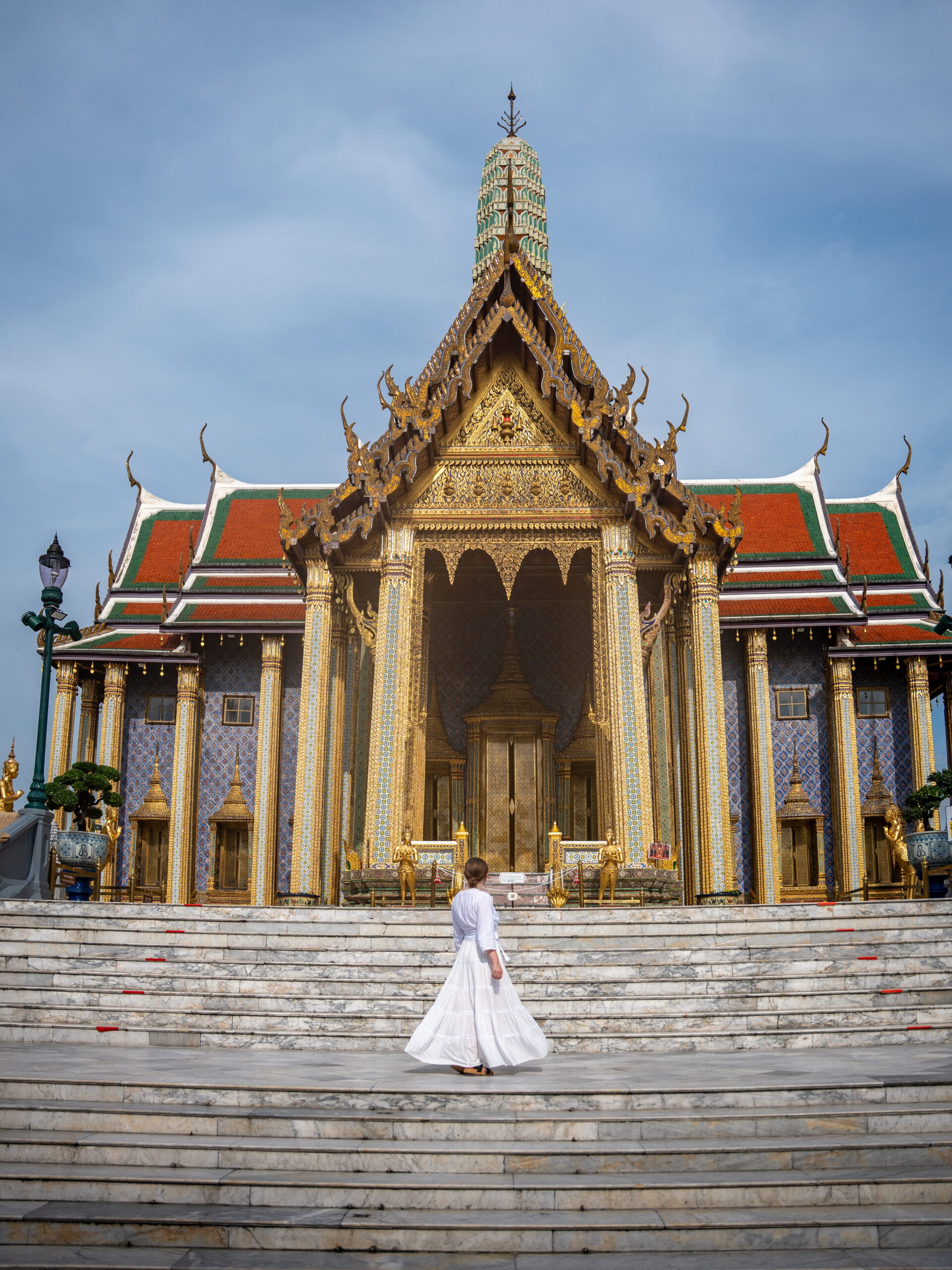
Some must-visit temples include: The Grand Palace and Wat Phra Kaew in Bangkok (home to the Emerald Buddha), Wat Pho in Bangkok (the reclining Buddha), Wat Arun in Bangkok (Temple of Dawn), and Wat Phra That Doi Suthep in Chiang Mai (stunning mountain temple with panoramic views).
Remember to dress modestly (covered shoulders and knees), remove your shoes, and be respectful of both people praying and monks. Visit temples early in the morning to avoid crowds and experience the peaceful morning chanting rituals.
>>> Check out this guided temple tour in Bangkok!
Explore Thailand’s Markets

Markets are an essential Thai experience! They’re social hubs where locals gather to eat, hang out, and people-watch. The energy is incredible, with colorful lights, delicious street food smells, and endless stalls to browse.
Don’t miss Chatuchak Weekend Market in Bangkok – it’s one of the world’s largest markets with over 15,000 stalls! You can find everything from clothing and handicrafts to food and spices! Just be prepared for crowds and heat (go early in the morning or later in the evening). The market is only open on Saturdays and Sundays.
In Chiang Mai, the Sunday Night Market takes over the main street in the Old City and is absolutely massive. The Saturday Night Market is smaller but still great. Both offer beautiful handicrafts, local art, and amazing street food.
Night markets are super popular throughout Thailand, as it’s the perfect place to socialize after a day at work and avoid the intense heat during the daytime. Most towns and cities have them throughout the country, and I suggest visiting the famous ones AND the more local ones for two completely different experiences.
Visit an Ethical Elephant Sanctuary

Elephants are an integral part of Thai culture, but it’s crucial to visit them ethically. Never visit a sanctuary that allows riding. Even though many “sanctuaries” still offer riding, riding elephants causes them significant pain and suffering. The training process is brutal, and the weight of riders damages their spines. It’s a horrible practice, and I hope that one day it will be illegal for sanctuaries to allow riding.
Instead, visit ethical elephant sanctuaries where you can observe elephants in a way that respects their well-being. I highly recommend Elephant Nature Park near Chiang Mai, which is one of the most reputable sanctuaries in Thailand. Another fantastic option is BEES – Burm And Emily’s Elephant Sanctuary, which is more remote and located about an hour from Doi Inthanon National Park.
These sanctuaries focus on rescue, rehabilitation, and education rather than entertainment. Yes, they’re a bit more expensive than elephant riding tours, but your money goes toward caring for these amazing animals and supporting ethical tourism.
Watch a Muay Thai Match

Muay Thai (Thai boxing) is Thailand’s national sport and an integral part of Thai culture. Watching a live Muay Thai match is an incredible experience, with traditional music, ceremonial dances, intense fights, and an electric atmosphere.
Bangkok has some of the best Muay Thai stadiums in the country, like Lumpinee Boxing Stadium or Rajadamnern Stadium. For a more local experience, check out smaller stadiums in Chiang Mai or smaller beach towns.
Many Muay Thai gyms offer beginner classes for tourists, and even a single class will give you a new appreciation for the sport – it’s a crazy workout! Classes typically cost 300-800 baht per session, depending on the location.
Take a Thai Cooking Class

One of my favorite experiences in Thailand was taking a Thai cooking class! These classes are super popular, especially in Chiang Mai, and they’re such a fun way to learn about Thai cuisine while bringing home a new skill.
Most cooking classes start with a visit to a local market or restaurant to learn about Thai ingredients, and then you’ll prepare 5-7 dishes from scratch. You’ll typically learn to make classics like pad thai, green curry, tom yum soup, and mango sticky rice. Classes usually last 4-6 hours and cost around 800-1500 baht ($25-45 USD). Many provide recipe booklets so you can recreate the dishes at home!
>>> Check out some of the top-rated cooking classes in Chiang Mai!
Take a Long Tail Boat Ride

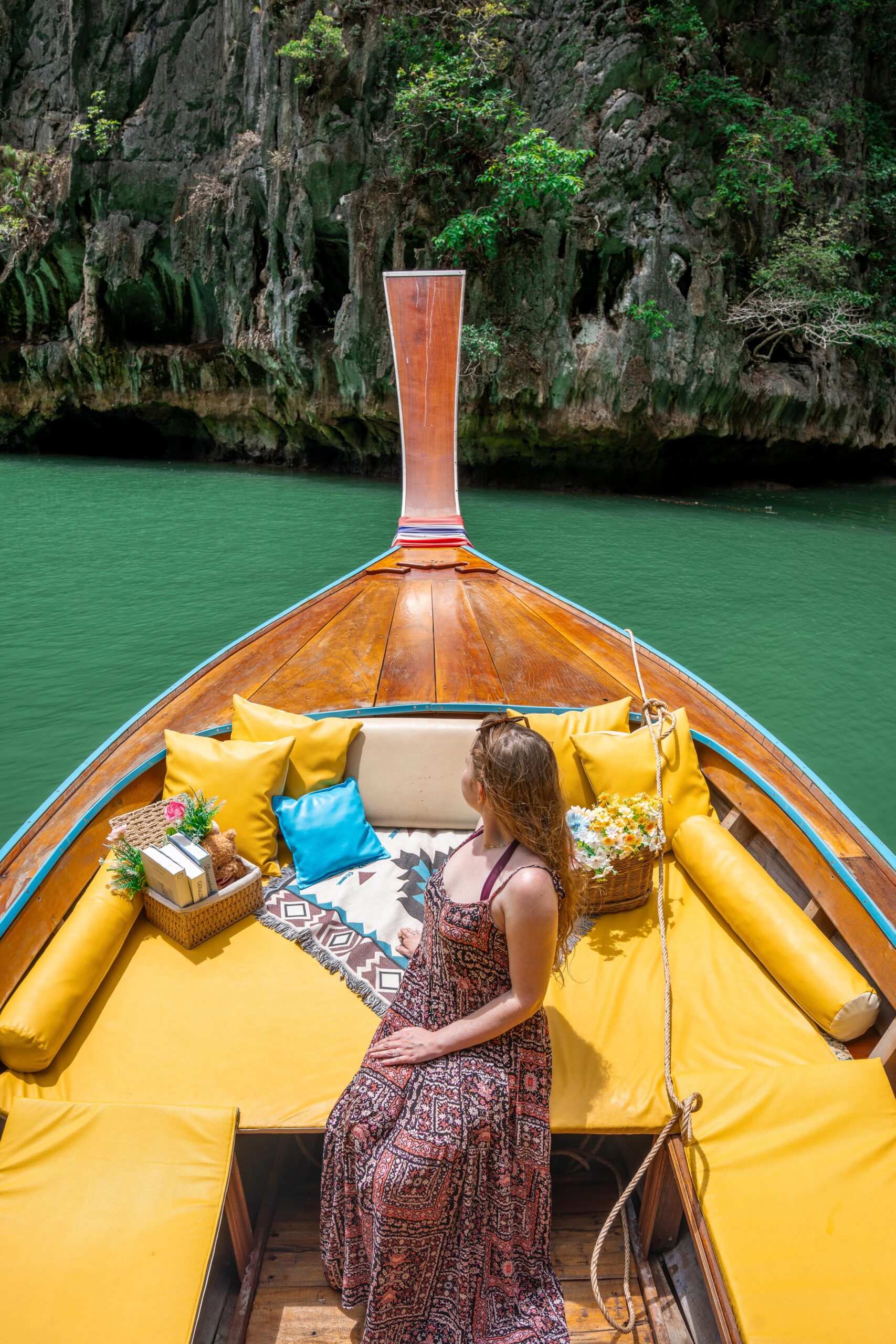
You’ve probably seen them in photos and postcards – long tail boats are iconic traditional Thai boats with colorful painted hulls and distinctive long propeller shafts. Taking a ride on one of these boats is a quintessential Thai experience!
You can take long tail boat rides in various locations across Thailand – through Bangkok’s canals (khlongs) to see traditional stilt houses and local life, around the limestone karsts and lagoons of Krabi and Phang Nga Bay, to hidden beaches and caves around Phi Phi Islands, or through the floating markets near Bangkok.
Festivals & Events in Thailand

If your travel dates align with any of these festivals, I highly recommend planning your itinerary around them. Thai festivals are a blast and offer unforgettable cultural experiences!
Yi Peng Lantern Festival (November)

Yi Peng is the iconic lantern festival held in Chiang Mai, where thousands of paper lanterns are released into the night sky simultaneously. It’s absolutely magical and one of the most photographed events in Thailand.
Yi Peng typically coincides with Loi Krathong in November (the exact dates change yearly based on the lunar calendar, so check before booking your trip). Loi Krathong is celebrated throughout Thailand, where people release decorated floating baskets (krathongs) on rivers and waterways to pay respect to the water goddess and symbolically let go of negativity.
The main Yi Peng lantern release events require tickets and sell out months in advance, so plan ahead if this is a must-do for you! Tickets typically cost 2000-3000 baht and are so worth it for the unforgettable experience.
Songkran Water Festival (April 13-15)

Songkran is the Thai New Year celebration and the world’s largest water fight! For three days, the entire country transforms into a massive water battle, with people armed with water guns, buckets, and hoses soaking everyone in sight. The festival is celebrated nationwide, but Chiang Mai and Pattaya have extended celebrations.
If you’re not a fan of getting wet or crowds, I’d suggest avoiding Thailand entirely during Songkran or staying somewhere more remote. There’s really no escaping it in cities and tourist areas.
Full Moon Party (Monthly on Koh Phangan)

The Full Moon Party is Thailand’s most legendary beach party and is held every month on Haad Rin Beach on the island of Koh Phangan. On the night of each full moon, the beach transforms into an all-night rave with 10,000-30,000 people, fire dancers, neon body paint, bucket drinks, and music pumping from multiple stages until sunrise.
The party atmosphere is absolutely wild and definitely not for everyone (myself included), but if you’re into the party scene, it’s an experience you won’t forget! If the Full Moon Party sounds too intense, Koh Phangan also hosts Half Moon and Black Moon parties with similar vibes but smaller crowds.
Conclusion
Thailand is one of the best countries to visit in Southeast Asia, especially for first-time travelers who have never visited the region before. With so much to offer, you could easily spend months exploring the country and still feel like you’ve only scratched the surface.
I hope you found this guide helpful and feel more prepared for your first trip to Thailand. Trust me, it’s hard not to fall in love with this incredible country, and now you have the knowledge to make your trip seamless, stress-free, and as enjoyable as possible!
Planning a luxury trip to Thailand? Check out my Ultimate White Lotus – Inspired Thailand Itinerary to help plan your trip!
Liked this post? Pin it for later!