





If you are like me and you loved season 3 of HBO’s The White Lotus,…
2 Weeks In Thailand | The Ultimate 2 Week Itinerary for First-Time Visitors


Popular posts
Popular posts
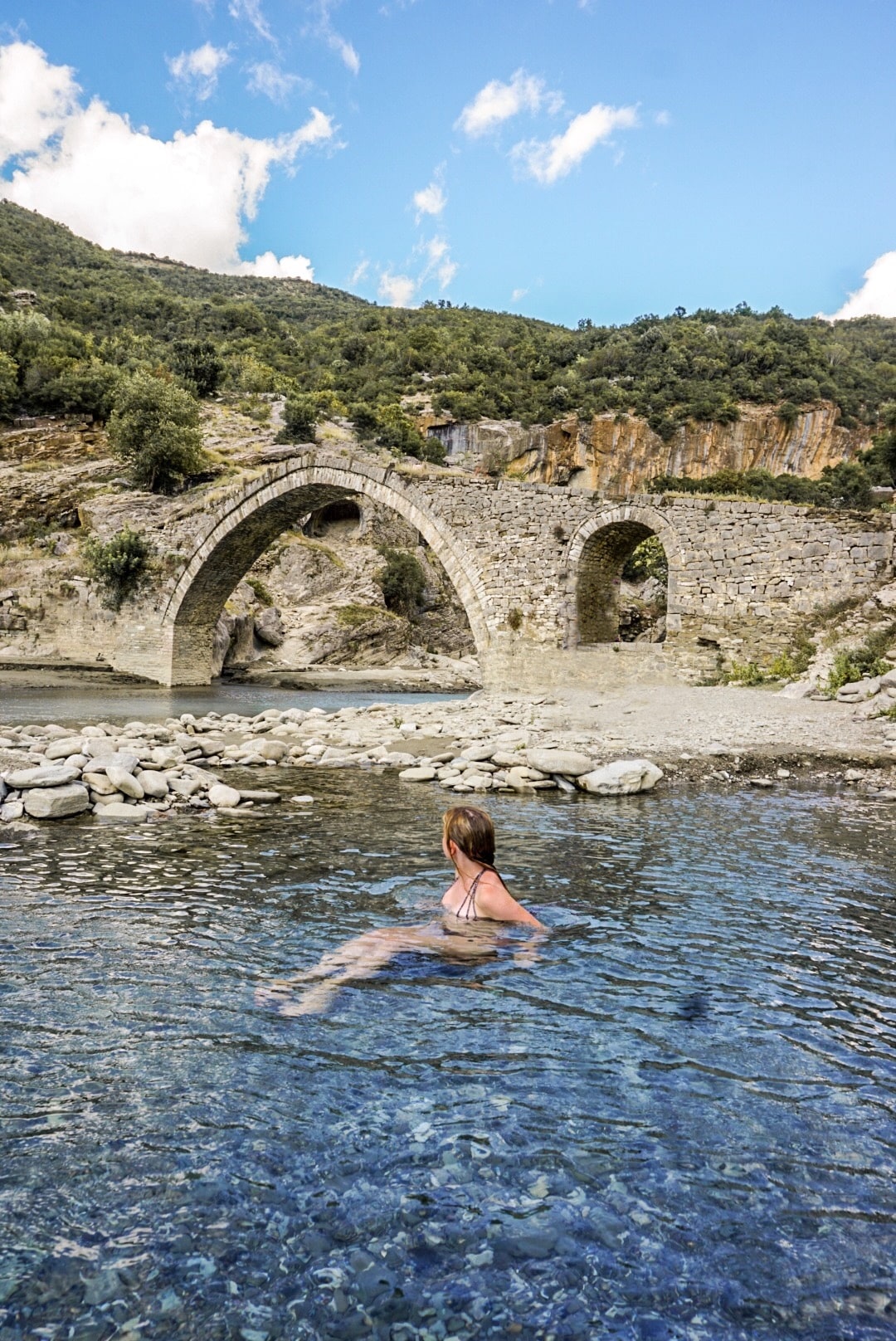
Thailand is one of those countries that you’ll want to return to time and time again. With a vibrant culture, friendly locals, delicious cuisine, pristine white-sand beaches, and lush jungle landscapes, Thailand is an incredible country that truly has something for every type of traveler.
With so much diversity packed into one country, planning just 2 weeks in Thailand can feel overwhelming, especially if this is your first time visiting! Honestly, you could spend months exploring Thailand and still feel like you’ve only scratched the surface. However, 2 weeks in Thailand is enough time to experience a taste of everything the country has to offer, including bustling cities, serene islands, glittering temples, and, of course, indulging in some of the best food you’ll ever eat!!
It’s hard not to fall in love with Thailand, and this 2 week Thailand itinerary will help you make the most out of your first visit to the country.
Here is everything you need to know about spending 2 weeks in Thailand!
**This post contains affiliate links, which means I earn a small commission on purchases made through these links. All opinions are my own.
Table of Contents
- The Best Time to Visit Thailand for This 2 Week Thailand Itinerary
- Bangkok: Days 1-3
- Chiang Mai: Days 4-6
- Where to Stay in Chiang Mai:
- Chiang Rai: Days 7-8
- Where to Stay in Chiang Rai:
- White Temple Chiang Rai
- Coast & Island Hopping: Days 9-14
- Option 1: Andaman Coast (November – April)
- Day 12: Maya Bay & Phi Phi Exploration
- Option 2: Gulf of Thailand (January-September
- Day 9: Travel to Koh Samui
- Day 11: Ang Thong National Marine Park
- Alternative to Ang Thong:
- Conclusion
Itinerary Overview:
Days 1-3: Bangkok
Days 4-6: Chiang Mai
Days 7-8: Chiang Rai
Days 9-14: Coast/Island Hopping (specific islands will depend on the time of year that you visit)
Day 14: Fly home from your final island destination or Bangkok
What to know before planning your trip to Thailand

Before we dive into the itinerary, it’s crucial to understand that the time of year you visit Thailand will significantly impact which destinations you should prioritize visiting. Thailand has distinct regional weather patterns, and visiting certain areas during the wrong season can really put a damper on your trip.
For this specific itinerary, I strongly recommend avoiding planning a trip to Thailand from March to April, as this is known as the country’s “burning season” in the north. During this time of year, farmers burn their fields to clear land for the next planting season, creating thick smoke and haze that can make breathing difficult, obscure mountain views, and generally make outdoor activities pretty unpleasant. You’ll see a lot of locals masking up and avoiding being outside for long periods of time during these months.
Since I suggest spending time in Chiang Mai and Chiang Rai during this 2-week Thailand itinerary, you’ll have a much better experience visiting outside of the burning season. If you have already booked your trip and it will coincide with this time period, I suggest spending more time island hopping, as the islands will have a much better air quality during this time of year.
The Best Time to Visit Thailand for This 2 Week Thailand Itinerary

For this particular 2 week Thailand Itinerary, the best time to visit will be from October to February, or May to June. Keep in mind that peak season in Thailand lasts from November to February, which is the country’s dry season, and has the most pleasant weather. However, while the country experiences the best weather during this time, it is also the most crowded, and accommodation prices will be higher. Thailand is still overall an affordable country, even during peak season, but if you are on a tighter budget or want to avoid bigger crowds, consider visiting during shoulder season in May or June.
Thailand’s rainy season begins in May and typically lasts through October, with July-September being the country’s wettest months. While the rain will typically come in bursts throughout the day, there is a higher chance of flooding, making some areas inaccessible in the mountains or countryside.
Other Tips for Visiting Thailand

Here are a few important things to keep in mind when visiting Thailand for the first time:
- Visa: Most nationalities can enter Thailand visa-free for 30-60 days, but check current requirements for your country via the Thai Embassy website.
- Digital Arrival Card: As of May 2025, you will need to sign up for a digital arrival card within 72 hours of arriving in Thailand. It is free, and you can fill out the form here.
- Currency: Thai Baht (THB) is Thailand’s currency, and cash is widely used so withdraw from ATMs as needed (220 baht fee per transaction).
- Temple dress code: Cover shoulders and knees when visiting temples and ALWAYS remove shoes before entering.
- Don’t drink tap water: Always use bottled water for drinking AND brushing teeth.
- Get travel insurance: Essential for scooter accidents, medical emergencies, and adventure activities. I personally suggest World Nomads.
- Use Grab to get around: Grab is Thailand’s equivalent of Uber or Lyft, and you’ll use it to get around the cities.
- Buy a Thai eSIM beforehand: Makes navigation and using Grab much easier.
- Street food safety: Choose busy stalls with high turnover and where food is cooked fresh in front of you.
- Book trains/buses in advance: Use 12Go Asia to book transportation, especially during peak season (November-March).
I’ve put together an in-depth guide on everything you should know about visiting Thailand for the first time, including safety tips, a packing list, booking tips, respecting the culture, and more! I strongly suggest you also read this guide, which will help you tremendously as you plan your 2 weeks in Thailand:
>>> Read: Everything you need to know before visiting Thailand for the first time
Now that we’ve gone over some of the most important things to know before planning your 2 weeks in Thailand, here is a breakdown of your 2 week Thailand Itinerary:
Bangkok: Days 1-3

The energy of Bangkok is unparalleled. Often compared to New York City, Bangkok is chaotic and bustling, but is also deeply rich in culture and tradition. While the city is massive and you could easily spend weeks in Bangkok alone and still not see everything, three days gives you enough time to see the major highlights of Bangkok without feeling too rushed.
Sidenote: While I didn’t include it in this itinerary because it’s only open on weekends, I highly recommend visiting the Chatuchak Weekend Market if your time in Bangkok falls on a Saturday or Sunday. It’s one of the world’s largest markets with over 15,000 stalls selling absolutely everything you can imagine – clothing, handicrafts, plants, antiques, street food, and more. You could easily spend an entire day here getting lost in the maze of stalls. If your time in Bangkok does fall on a weekend, consider tweaking this itinerary slightly to fit in a visit to Chatuchak!
Where to Stay in Bangkok:

Bangkok has accommodation options for every budget and in various neighborhoods. Below are my top recommendations:
Where to Stay in Bangkok
- Luxury: Mandarin Oriental Bangkok: Legendary riverside hotel with impeccable service and stunning river views.
- Midrange: Riva Surya Bangkok: Stylish boutique hotel along the river near Khao San Road with modern rooms and a great pool.
- Budget: Villa Mungkala: Charming guesthouse with cozy rooms and a garden area, in the center of the old city.
- Backpacker Budget: Once Again Hostel: Modern hostel in the heart of Bangkok, with mixed & female-only dorms and curtain beds.
Day 1: Arrival to Thailand

On the first day of your 2 weeks in Thailand, I suggest relaxing and spending some time exploring the local neighborhoods near your accommodation (I suggest staying in Bangkok’s old city if it is your first time in Bangkok). You’ll likely be pretty jetlagged, so I don’t recommend having any specific activities planned on your first day in Thailand.
Once you’ve landed and cleared customs, make your way to your accommodation in Bangkok. Depending on where you’re staying, you can take an airport taxi (the most expensive but also most convenient option), arrange a Grab ride (Thailand’s version of Uber), or take the Airport Rail Link to the city center (this is connected to the BTS Skytrain system). The Airport Rail Link is faster and cheaper if your hotel is near a BTS station.
Check into your accommodation and take some time to rest and freshen up. Once you’re feeling refreshed, take a leisurely walk around the old city area near your accommodation. Pop into any temples that look interesting (most are free or have a small, reasonable entrance fee), browse local shops, and just get a feel for Bangkok’s vibe!
Grab dinner somewhere nearby – there are TONS of amazing places to eat in Bangkok. Find a local restaurant that looks busy (a good sign!), or if you’re feeling adventurous, try some street food from a vendor with lots of customers.
Day 2: The Grand Palace, Temples, and Culture
You’ll spend day 2 of your 2 weeks in Thailand visiting some of Bangkok’s most famous spots, including the Grand Palace, Wat Pho, and Wat Arun. You’ll also get to visit Bangkok’s flower market and spend the evening in one of the best Chinatowns in the world!

The Grand Palace

Start your first full day in Thailand early by visiting one of the most important places in Thailand: The Grand Palace. I suggest arriving right when it opens at 8:30 am to avoid the massive crowds and midday heat. Try getting there 10-15 minutes before it opens so that you can be one of the first people in line!
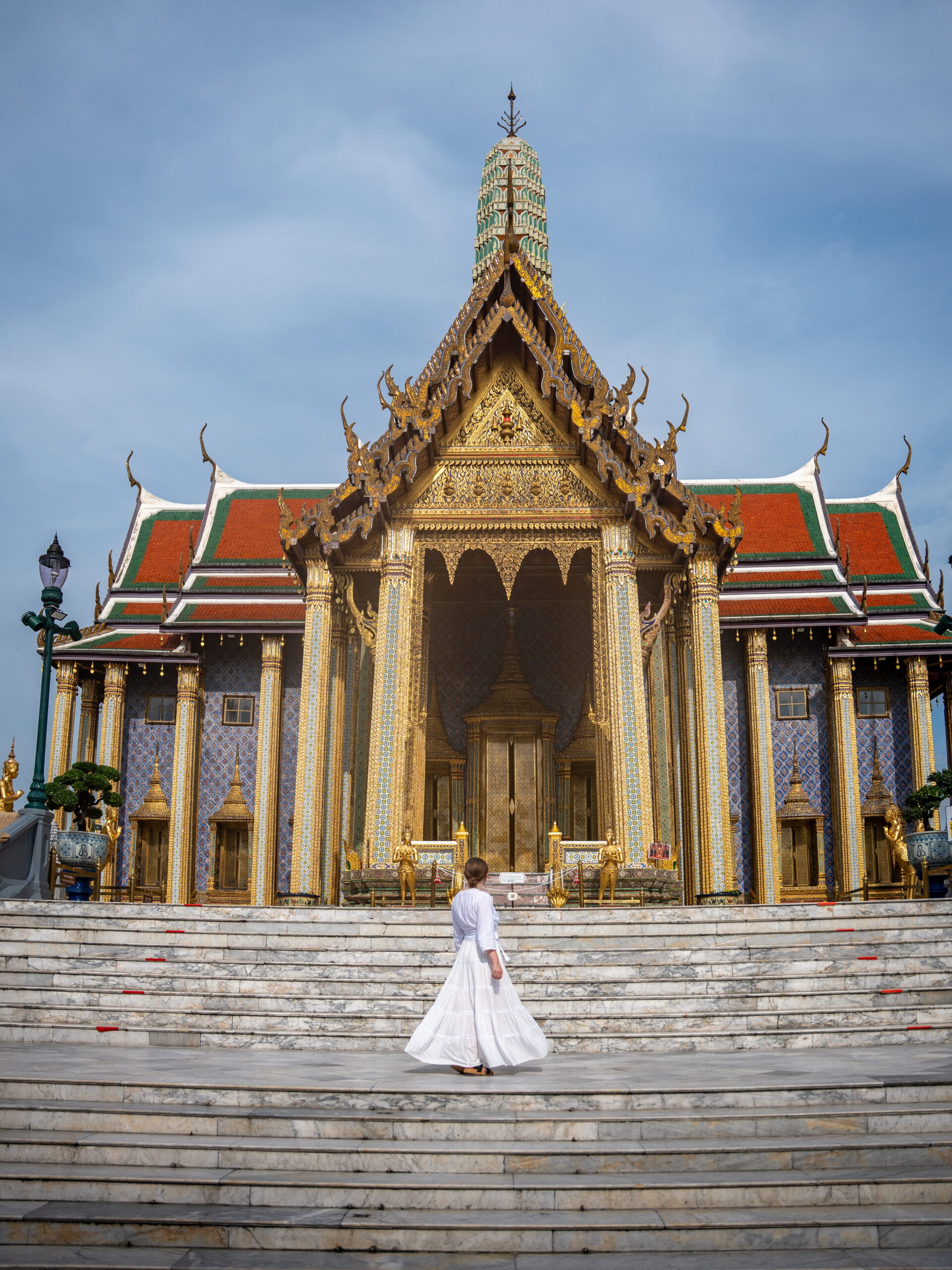
The Grand Palace is absolutely stunning, with intricate golden details, colorful mosaics, and towering spires that seem to glow in the sunlight. It’s one of Thailand’s most visited attractions for good reason! Set aside at least one hour to explore the grounds and take everything in.
Inside the Grand Palace grounds, you’ll find Wat Phra Kaew (Temple of the Emerald Buddha), which houses Thailand’s most sacred Buddha image carved from a single block of jade. Make sure not to skip it!
Entry to the Grand Palace is 500 baht, and tickets can be purchased at the entrance.
Wat Pho (Temple of the Reclining Buddha)

After exploring the grounds of the Grand Palace, take a short walk to Wat Pho, home to the famous 46-meter-long golden Reclining Buddha. The sheer size of this Buddha statue is mind-blowing, and you can’t capture it all in one photo, no matter how hard you try!

Beyond the Reclining Buddha, Wat Pho is a beautiful temple complex that’s absolutely worth exploring. It’s also considered the birthplace of traditional Thai massage, and you can actually get a super affordable massage here from the temple’s massage school – perfect for combating jet lag!
Entry to Wat Pho is 200 baht, and I highly recommend visiting right after the Grand Palace since they’re so close together.
Wat Arun (Temple of Dawn)

Once you’ve explored the Wat Pho complex, head to the Tha Tian Pier right next to Wat Pho and take the 5-baht ferry across the Chao Phraya River to Wat Arun, a beautiful temple with an incredible view that is absolutely perfect for kicking off your Thailand adventure!
Wat Arun is one of Bangkok’s most iconic temples and is decorated with colorful porcelain and seashells, creating a stunning mosaic effect that catches the light beautifully.
While many people photograph Wat Arun from across the river, I highly recommend actually going inside and climbing the steep stairs to the upper levels. The views of the river and the Bangkok skyline are incredible and so worth seeing! Entry to Wat Arun is 100 baht.
If you’re interested in learning more about the history behind the Grand Palace, Wat Pho, and Wat Arun, consider signing up for this 4-hour guided tour that covers these three locations (note that entrance fees are not included).

Authentic Thai Lunch

After spending the morning exploring some of Bangkok’s most famous attractions, you’ll have worked up an appetite! There are lots of great options nearby, including Pad Thai Kratong Thong by ama, RONGROS, and All Meals Sawasdee. Take some time to look up restaurants on your own – or even better, ask locals for their recommendations!
Visit Bangkok’s Flower Market

Once you’ve filled your belly up, walk or take a short tuk-tuk ride to the Pak Khlong Talat Flower Market near Memorial Bridge. Here you’ll find dozens of vendors selling fresh flowers and stunning floral arrangements used as temple offerings. It’s a great local experience, and the colors and smells are incredible!

If you need a pick-me-up or you’re craving something sweet, I suggest stopping by the Floral Café at Napasorn. The interior is absolutely stunning and adorned with flowers, and the coffee and pastries are fantastic! We sat here for over an hour while waiting out a heavy downpour, and it was so cozy inside as we listened to the rain patter against the roof.

Watch the Sunset Behind Wat Arun

After exploring the flower market, continue to explore the surrounding area or make your way back to your accommodation (you’ll probably want to freshen up after spending hours in the heat and humidity).
If you have the energy and it’s a sunny day, watch a stunning sunset before dinner. EAGLE NEST Rooftop Bar has a fantastic view of the sunset behind Wat Arun, but if you don’t want to drink or prefer a free option, there are some nice viewing areas around Wat Pho Pier to watch the sun go down, as well.
Spend the Evening in Chinatown

Once the sun goes down, I suggest heading to Chinatown for dinner. This neighborhood is hands-down the best area for street food in Bangkok, so make sure to come with an empty belly!
Yaowarat Rd, the main street in Chinatown, comes alive at night with flickering neon signs, bustling markets, and food stalls selling everything from fresh seafood, dim sum, noodles, and Thai desserts (you have to try fresh coconut ice cream here)! If you’ve never tried the infamous durian fruit before, now is your perfect opportunity, as you’ll find durian vendors scattered all over Chinatown! You have to try durian at least once during your time in Thailand – it has such a unique flavor that really exceeded my expectations. There are even several Michelin guide stalls, so you know it’s incredible.

Spend time walking around and eating whatever looks yummy! If a stall has a line of people (especially locals) waiting, it’s a good indication that you’ve found a winner. If you’re nervous about trying street food and worry about getting food poisoning, there are also lots of great restaurants around Chinatown. However, some of the best food you’ll have in Thailand will be street food, and as long as you go to stalls that cook it in front of you and seem to have a high turnover rate, you should be fine.
You could also choose to sign up for a guided food tour of Chinatown – your guide will take you to the best food stalls, and you won’t have to worry about eating somewhere that will make you sick! I had a blast on the food tour that I went on in Bangkok, and I’m still dreaming about some of the food that I tried during the experience.
Day 3: Markets, Canals, and Your Last Evening in Bangkok
On day 3 of this 2-week Thailand itinerary, you’ll get to tour one of Bangkok’s most interesting museums, explore Bangkok’s canals on a longtail boat, experience one of the most impressive shopping malls in the world, and do some last-minute souvenir shopping before boarding the night train to your next destination: Chiang Mai!
Slow morning & Check out of your accommodation

Start your day at a slower pace and enjoy breakfast at your hotel or head to a nearby cafe for a morning cup of coffee. Tonight you’ll be sleeping on an overnight train to Chiang Mai, so you’ll be checking out of your hotel in the morning.
Since you will be taking the night train, I strongly suggest staying at a hotel or hostel over an Airbnb or rental apartment, so that you can leave your luggage at the hotel while you spend your final day in Bangkok. Most hotels will be happy to store your luggage for the day, but I suggest reaching out beforehand to make sure that it’s possible.
Tour the Jim Thompson House

After checking out of your hotel, start your last day in Bangkok with a visit to the Jim Thompson House, the former residence of Jim Thompson, an American businessman who helped revitalize the Thai silk industry in the 1950s and 1960s.
The house is actually a collection of traditional Thai buildings that Thompson brought from various parts of Thailand and reassembled in Bangkok. It’s filled with his impressive collection of Southeast Asian art and antiques, and feels like a time capsule into 1960’s Thailand.
You can only visit via a guided tour (which is included in the 200 baht admission price), and the tours are really informative and fascinating! There is also a large gift shop attached to the museum with loads of Jim Thompson silk products, which are stylish and high quality. It’s pricey (especially for Thai standards), but the quality is impeccable and will last for years, making for a great splurge souvenir to bring home with you.
Optional: Explore a Local Market

If you have extra time in the morning or you’re not into museums, consider visiting Or Tor Kor Market, which is open daily and is one of the best fresh food markets in the city with high-quality produce and delicious prepared foods. It’s a great spot to grab some snacks or see what locals shop for! If it’s a Saturday or Sunday, go to the Chatuchak Weekend Market – it’s a must-visit!
Longtail Canal Tour

After Jim Thompson House, head to one of the piers along the Chao Phraya River for a longtail canal tour through Bangkok’s klongs (canals). This is one of my favorite experiences in Bangkok!
The tour takes you through quieter residential areas where you’ll see traditional wooden houses on stilts, local life away from the tourist crowds, and get a completely different perspective of the city. It’s a nice contrast to the chaos of central Bangkok and gives you a glimpse of what the city used to be like before its massive construction development projects.
Tours can be arranged at various piers along the river and typically last 1-2 hours. Prices vary depending on whether you join a group tour or hire a private longtail boat.
Visit ICONSIAM

After your canal tour, head to ICONSIAM, Bangkok’s massive riverside shopping mall. Even if you’re not planning to shop, it’s worth visiting for the incredible design and the Sook Siam food court on the ground floor, which showcases regional Thai cuisine from all over the country!
Grab lunch here and try some dishes you haven’t had yet. The food court is beautifully designed and offers authentic Thai food at reasonable prices. It’s also air-conditioned, which will feel amazing after being out in the heat!
You can easily reach ICONSIAM by boat from various piers along the Chao Phraya River – keep in mind that there’s a free shuttle boat from Sathorn Pier.
Spend the late afternoon/early evening at Khao San Road or Train Night Market Srinagarindra

Khao San Road is Bangkok’s famous backpacker street known for its neon lights, street food, bars blasting music, and vendors selling everything from souvenirs to scorpions on a stick. Even if the party scene isn’t your thing, it’s worth experiencing at least once!
Grab dinner at whichever spot you choose, and do any last-minute souvenir shopping.
Alternatively, you could spend time at the Train Night Market Srinagarindra (note that it’s closed on Mondays, Tuesdays, and Wednesdays). It’s a unique, trendy market that has a vintage vibe with food stalls, shopping, and live music. It’s a fun atmosphere and a great place to grab dinner before your train! Get there right at 5 when it opens – especially if you will be taking the 6:40 PM train.
Take the Overnight Train to Chiang Mai

Grab your bags and make sure you’ve got everything, because it’s time to move on from Bangkok!
Head to Hua Lamphong Station (or Krung Thep Aphiwat Central Station) for your overnight train to Chiang Mai. You have 3 options to choose from:
- Train #9: 6:40 pm – 7:15 am
- Train #13: 8:05 pm – 8:40 am
- Train #51: 10:30 pm – 12:10 pm
I suggest either choosing Train #9 or Train #13 so you can arrive earlier to Chiang Mai and have a full day to explore. I would only choose Train #51 if the first two options are sold out.
Also note that Train #13 is the only option with a first-class coach, which has private rooms. It costs about $20 more than 2nd class, which could be worth it if you are a light sleeper or just value the extra privacy.
The train has a dining car where you can buy affordable Thai meals for dinner and breakfast. The food is actually pretty decent! I also suggest packing your own snacks and drinks on board in case you get any midnight munchies.
How to book the overnight train: You can book train tickets through 12Go Asia or directly on the Thai Railway website, though the official website can be tricky to navigate. I recommend using 12Go Asia for convenience since it’s reliable and shows all available options clearly. Book at least 1-2 weeks in advance during peak season as sleeper cars can sell out quickly! I visited during shoulder season and was fine booking just a couple of days in advance, but you might not get so lucky.
Chiang Mai: Days 4-6

After experiencing the hustle and bustle of Bangkok, Chiang Mai will feel like a breath of fresh air. This northern city is surrounded by mountains and has a much more relaxed, laid-back vibe than the capital. The old city is filled with beautiful temples, an incredible coffee shop scene, and a lovely surrounding countryside that offers endless opportunities for adventure.
Three days in Chiang Mai gives you enough time to explore the temples, experience the local culture, and partake in some of the best excursions that Thailand has to offer!
Where to Stay in Chiang Mai:
For your first time in Chiang Mai, I suggest booking accommodation inside the old city, as it will be the most convenient option for this itinerary. Here are some of the best options inside of Chiang Mai’s old city walls:
- Luxury: The Inside House: Stunning boutique hotel in the center of the old city, with many rooms featuring a beautiful private pool. Incredible daily breakfast and afternoon tea service is included.
- Midrange: BED Phrasingh: Adults-only hotel with modern rooms, daily breakfast, and friendly staff. There are 2 other locations in Nimman and right outside the Chiang Mai gate, but Phrasingh is the most convenient location, in my opinion.
- Budget: Inn Oon Villa: Hotel in the center of the old city with cozy rooms and a lovely garden area. It’s a fantastic value, and the rooms are beautiful.
- Backpacker Budget: Hostel Lullaby: A relaxing, peaceful hostel located in the heart of the old city, offering free Yoga classes, free cooking classes, and even free Muay Thai boxing classes! It was rated the best hostel in Thailand in 2020, making it a fantastic option for those on a backpacker budget.
Getting Around Chiang Mai

In Chiang Mai (and Chiang Rai), you’ll primarily rely on songthaews (red pickup trucks that are the city’s version of public transport), Grab, tuk-tuks, or renting a scooter if you’re comfortable driving one in Thailand. Many of the attractions outside the city centers require transportation, so I recommend either joining organized tours, hiring a private driver, or renting a scooter for more flexibility.
Day 4: Cafes & Old City Exploration
Once your morning train arrives in Chiang Mai, take a Grab to your accommodation. Your room might not be ready yet since it will be morning, so I suggest booking a hotel in Chiang Mai that will allow you to drop off your luggage so that you can explore without lugging your bags around.
Morning Cafe in the Old City

Chiang Mai is truly a cafe lover’s paradise! There are dozens of amazing cafes in the old city, and some of my favorites include Pegasus Café & Roastery, Cafe’de Maross, and Akha Ama Phrasingh Cafe. While it’s not exactly a cafe, and more of a coffee stand, I also absolutely loved Tiny-Coffee inside of Wat Pha khao! The coffee was cheap and delicious, and the owner was absolutely adorable and incredibly friendly!
Explore Chiang Mai’s Old City Temples

After fueling up on caffeine at the cafe of your choice, start wandering through the old city and visit its most famous temples. In the old city alone, you’ll find over 30 temples, and while you could spend days temple-hopping, here are the most important ones that I suggest visiting during your first day in Chiang Mai:

Wat Chedi Luang: Home to a massive 600-year-old pagoda that was partially destroyed in an earthquake. Even though parts have been destroyed, it’s still incredibly impressive. There are even monk chat sessions held here in the late afternoon, where you can have conversations with monks who are practicing their English. If you’re here in May-June, you might get lucky and experience the annual Khao Inthakil celebration that occurs here every year! I was lucky enough to be in Chiang Mai during this time, and it was a really cool, local experience.

Wat Phra Singh: One of Chiang Mai’s most important temples, known for its Lanna-style architecture and beautiful murals. The main chapel houses a revered Buddha image and the temple grounds are peaceful and beautiful.

Wat Phan Tao: A small wooden temple with beautiful teak carvings. It’s less crowded than the other major temples and has a wonderfully peaceful atmosphere.

Wat Chiang Man: Chiang Mai’s oldest temple, dating back to 1296 when the city was founded. The temple has beautiful ancient chedis (a type of traditional Thai Buddhist monument) supported by rows of elephant sculptures at the base. It’s usually much quieter than the more famous temples, which makes it a nice, peaceful stop.

Wat Dab Pai: A small, charming temple with a lovely wooden structure and tranquil garden setting. It’s not as grand as some of the other temples in the old city, but its simplicity and quiet atmosphere make it worth a quick visit if you’re nearby.

Wat Lok Moli: A hidden gem that most tourists skip! This temple features a beautiful, tall chedi and peaceful grounds surrounded by old trees. Since it’s off the main temple trail, you’ll often have the place almost entirely to yourself – perfect if you want to escape the crowds.

Enjoy Northern Thai Cuisine or Take a Traditional Thai Cooking Class

You’ll work up a serious appetite after temple hopping around Chiang Mai, so now is the perfect time to try your first Northern Thai meal! Khao Soi is the most popular dish from this region, a spicy noodle dish with coconut curry, topped with crispy egg noodles. If you don’t have a good spice tolerance, don’t worry, most restaurants in the old city will offer non-spicy versions for tourists. Garden to Table Chiangmai is a great option that will cater to those (like myself) with a low spice tolerance. Other great places to try northern Thai food include Khao Soi Arak, Mr. KAI Restaurant, and Khao Soi Phra Singh.

Alternatively, you could sign up for a Thai cooking class and spend the afternoon or evening cooking your own meal! Chiang Mai is one of the best places in Thailand to take a cooking class, and you’ll typically learn how to make 5-7 traditional dishes.
There are lots of cooking classes you can sign up for, but here are a few top-rated options that offer afternoon and evening classes:
Day 5: Sticky Waterfalls, Dantewada, & Doi Suthep
On day 5 of your 2 weeks in Thailand, you’ll head out of Chiang Mai city to experience some of the best activities in the surrounding area.
Today would be a great day to rent a scooter if you feel comfortable riding one, since you will be venturing an hour+ outside of the city. Alternatively, you could hire a private driver for the day for around 1,500 baht ($48 USD). This is what we did, and we had a fantastic, stress-free experience. Another option is to sign up for a guided tour that takes you to both the sticky waterfalls and Dantewada.
Sticky Waterfalls
Start your day early and head to the Bua Tong Waterfalls, more famously known as Thailand’s “sticky waterfalls”. The rocks beneath the rushing water are covered in calcium carbonate deposits, giving them a porous texture and a super-grippy surface that allows you to climb right up the cascading water without slipping. The sticky waterfalls are one of the coolest and most unique experiences that you can have in Thailand, I mean, where else in the world can you say you’ve walked straight UP an entire waterfall with no safety gear?!
There’s no entrance fee to visit the Sticky Waterfalls, and you can follow the signs to the base of the falls, where you’ll begin your ascent. The waterfall has multiple tiers and levels to explore, so you can spend a good hour or two climbing, cooling off in the pools, and taking in the lush jungle surroundings. I had so much fun, I ended up climbing them twice!
Keep in mind that if you visit during Thailand’s rainy season, there may be some sections that are a bit slippery as some algae does build up during that time of year, so be extra cautious with your footing and make sure to take your time walking up the falls. I recommend bringing a waterproof bag for your phone because you’ll definitely want photos and videos of this experience!
I suggest arriving in the morning around 8-9 am to experience the falls before the tour groups arrive. By mid-morning, it can get quite crowded with tourists, which makes climbing the falls less enjoyable. Make sure to bring a bathing suit! There are bathrooms and changing areas if you don’t want to wear your bathing suit all day.
Dantewada


After you’ve finished at the Sticky Waterfalls, head to Dantewada, “The Land of Angels”, which is located nearby. Dantewada is a massive, beautifully landscaped garden with impressive man-made waterfalls, walking paths through lush greenery, lily ponds, and even a small petting farm where you can feed rabbits and goats. The grounds are meticulously maintained and incredibly photogenic. I know it might sound a little cheesy or touristy, but honestly, the grounds are beautiful, and it’s really worth visiting in my opinion.

There’s also a nice cafe here with outdoor seating, so you can take in the gardens while enjoying lunch and some yummy drinks. It won’t be the most mind-blowing meal you’ll have in Thailand, but the food is still good (albeit a bit pricier than regular restaurants in the area), and you’ll probably be hungry after climbing up those waterfalls!
Entry to Dantewada is around 80 baht, and you could easily spend a couple of hours here enjoying a meal, exploring the grounds, and feeding the goats and bunnies.
Visit Doi Suthep
As you make your way back to Chiang Mai, head to Doi Suthep mountain just outside of Chiang Mai city to visit Wat Phra That Doi Suthep, the most sacred temple in Northern Thailand. Not only are the temple grounds vibrant, colorful, and beautiful, but it has spectacular views of the city below. If you rented a scooter or hired a driver for the day, you can head straight to Doi Suthep from Dantewada. Otherwise, to get to Doi Suthep, you can take a red songthaew from the old city (they congregate near the north gate) for about 40-60 baht per person. Entry to the temple is 30 baht.

I suggest arriving at the temple around 4 – 5 pm so that you can spend time exploring the temple grounds and witness the monk chant that occurs at 6 pm. It’s truly a special, unforgettable experience.
To reach the temple, you’ll need to climb 306 steps up the naga (serpent) staircase – or take the tram for 50 baht if you’re feeling tired. In my opinion, climbing the stairs is part of the experience, and it feels so much more rewarding than taking the tram! The temple itself is stunning, with a golden chedi, intricate carvings, and a peaceful atmosphere, making it easily enjoyable even when it’s crowded.
Dinner + Optional Market

Head back to the old city for dinner. If it’s a Sunday, you HAVE to experience the Sunday Night Market, where the entire main street through the old city closes to traffic and transforms into a massive night market filled with handicrafts, clothing, art, street food, and live performances. If it’s a Saturday, you could alternatively visit Chiang Mai’s Saturday night market, which is similar to the Sunday market but along Wualai Road (the silversmith street) south of the old city. It’s smaller and less crowded than Sunday’s market, but still excellent for shopping and food.
If it’s not a weekend and you’d still like to try some street food for dinner, Warorot Market is open daily and is the largest and oldest market in Chiang Mai. The night market section along the Ping River is particularly good for street food.
If you’re tired and not feeling up to visiting a market, there are tons of incredible sit-down restaurants to choose from in Chiang Mai. My personal favorite was Miss Ju, where we had our favorite meal in Thailand (I’m seriously still dreaming about the pad thai that I had there)!
Day 6: Elephant Sanctuary & Markets
On day 6 of your 2-week Thailand itinerary, you’ll get to witness majestic Thai elephants at an ethical elephant sanctuary. An ethical elephant sanctuary visit is a must when visiting Thailand for the first time, and Chiang Mai has some of the best ethical elephant sanctuaries in the country.

Ethical Elephant Sanctuary Visit

Most elephant sanctuaries offer half-day or full-day tours that include pickup from your hotel, lunch, and several hours with the elephants. Half-day tours typically last 5-6 hours, and full-day tours typically last 8-10 hours. So, if you want to spend more time exploring Chiang Mai on your last day, go for the half-day tour. Otherwise, book the full-day tour for the most immersive experience.
It’s crucial to choose an ethical sanctuary that doesn’t exploit these incredible animals. Look for sanctuaries where you can observe elephants in a more natural environment and learn about conservation efforts.
While there are plenty of sanctuaries that label themselves as “ethical” in Chiang Mai, a truly ethical sanctuary will only allow you to observe the elephants in their environment. I know it might seem more fun and interactive to visit a sanctuary that allows feeding and bathing, but it’s best for the elephants to be appreciated from afar.

Some highly-regarded ethical elephant sanctuaries near Chiang Mai include:
Visiting an ethical elephant sanctuary is truly an unforgettable experience and will definitely be a highlight of your 2 weeks in Thailand!
Back to Chiang Mai

Depending on whether you booked a half-day or full-day elephant sanctuary tour, you’ll have time to visit any spots in Chiang Mai that you haven’t checked out yet. Here are a few of my suggestions for spending your last afternoon/evening in Chiang Mai:
- Explore more of Chiang Mai’s Markets: Chiang Mai is famous for its incredible market scene, and exploring the various markets throughout the city is one of the best ways to experience local culture, find unique souvenirs, and eat delicious food.
- Explore Nimman Area: The Nimman neighborhood is Chiang Mai’s trendy, modern district filled with boutique hotels, stylish cafes, restaurants, and shops. It’s the perfect area to spend an afternoon browsing cute boutiques and enjoying specialty coffee. Some of the coolest cafes in Nimman include Ristr8to (famous for its latte art), Graph Table, and Palette Cafe. The vibe here is very different from the old city and is more contemporary and hip, making it a fun change of pace!
- Take a stroll along Mae Kha Canal: For a peaceful escape from the tourist trail, head to Mae Kha Canal. This area showcases a beautifully restored section of Chiang Mai’s old canal system. The Mae Kha Canal was originally built as part of Chiang Mai’s moat system, and the restored section creates a peaceful green corridor through the city. Local residents come here in the mornings and evenings to jog, walk, and exercise, and you’ll often see locals feeding the fish in the canal.
- Ploen Ruedee Night Market: A trendy night market in the Nimman area (open Thursday-Sunday evenings) with a focus on artisan goods, vintage items, and creative food stalls. It has a more curated, hipster vibe than some of the other markets.
Enjoy Live Music at a Jazz Club or Watch a Cabaret Show

End your last evening in Chiang Mai with a bang and enjoy some local entertainment. If you enjoy jazz, I suggest stopping by for a drink at The North Gate Jazz Co-Op, where incredibly talented local musicians perform nightly. The energy here is incredible, and the music is fantastic! Even if you’re not the biggest jazz fan, you’ll be able to appreciate the incredible musicians and the electric atmosphere.
Alternatively, you could purchase tickets to the Chiang Mai Cabaret Show, where stunning ladyboys wear extravagant costumes and perform dance routines. It’s regarded as one of the best cabaret shows in Thailand, so if you want to attend one of these performances, Chiang Mai is the place to do it!
Chiang Rai: Days 7-8
Chiang Rai is a small city about 4 hours north of Chiang Mai. It’s renowned for having some of the most beautiful temples in Thailand, and it has an authentic, local feel. While it’s a little out of the way, I definitely think it’s worth spending a couple of nights in Chiang Rai before heading to the islands!
Where to Stay in Chiang Rai:

- Luxury: MORA Boutique Hotel: Stunning boutique hotel in the heart of Chiang Rai that features a saltwater pool and beautiful gardens.
- Midrange: Hotel Selene Chiang Rai: Comfortable rooms with lovely views in a good location. Features a swimming pool and a lovely terrace area.
- Budget: Sleepy House Chiang Rai: Adorable cat-themed hotel that’s a must-stay for cat lovers. It’s home to 13 resident cats, and the rooms are (tastefully) decorated with cat-themed decor.
- Backpacker Budget: Get Hi Hostel: Friendly, social hostel in the heart of Chiang Rai, offering complimentary breakfast and activities.
Day 7: Arrival to Chiang Rai + Old Town Exploration
Getting from Chiang Mai to Chiang Rai

The bus from Chiang Mai to Chiang Rai is the most practical way to travel between the two cities. Buses depart frequently throughout the day from Chiang Mai’s Arcade Bus Station, and you can either take the VIP/first-class bus (the green bus) or the local bus.
The VIP bus is much more comfortable, equipped with air conditioning, reclining seats, and sometimes snacks included. This is the option that I went with and highly recommend, as the buses were comfortable while remaining affordable (around $11-15 USD each way). Alternatively, the local bus is cheaper at around 100-150 baht, but it is far less comfortable, doesn’t have air conditioning, and has more stops along the way.
I recommend taking the 9:30 am VIP Green Bus, which can be booked via 12Go Asia.
Alternatively, you can hire a private transfer, which takes about the same time but offers door-to-door service from your hotel. This is a far more expensive option, but if you have the money to spend, it’s definitely the most comfortable and convenient option.
Explore Chiang Rai’s old town

Once you’ve arrived in Chiang Rai, check in to your accommodation and head out to grab lunch in the old town. Like Chiang Mai, there are loads of fantastic restaurants in Chiang Rai offering traditional northern food. Some of my suggestions include Tum ka Yum Cafe (my personal favorite restaurant in Chiang Rai), Barrab restaurant, Pad Thai – Thai Food & Drink, and Khao Soi Restaurant.
Spend the rest of your day walking around the old town, popping into local temples, and checking out local markets like the Kad Luang Chiang Rai Market. Some temples inside of the old town that I suggest visiting include Wat Chiang Yuen (Red Temple), Wat Phra Kaew Chiang Rai, and Wat Mung Muang.
Spend the evening at the Saturday Night Market or Chiang Rai Night Bazaar

If you’re lucky enough to be in Chiang Rai on a Saturday, a visit to the Chiang Rai Saturday Night Market is a must! It’s located along Chiang Rai Walking Street and is the city’s biggest night market, offering everything from handmade goods to delicious street food and beautiful clothing.
If it’s not a Saturday, you can visit the Chiang Rai Night Bazaar instead, which is open every night from 6-11 pm, and has delicious street food and a ton of souvenirs and local goods. Both night markets have a very local vibe, making for the perfect way to spend your first evening in Chiang Rai. I suggest having dinner at the night market or nearby at one of the restaurants that I previously mentioned!
Day 8: Art, Temples, & Lalitta Cafe

White Temple Chiang Rai
This is your only full day in Chiang Rai, so be prepared for an action-packed day. Begin your day off early and head to the White Temple (Wat Rong Khun). This is Chiang Rai’s most famous attraction, so it’s best to arrive early to avoid the tour bus crowds and to see the temple glistening in morning light (I suggest getting there right when it opens at 8 am). It’s located about 15 minutes south of Chiang Rai city and is easiest to reach via Grab. Entry to the temple costs 200 baht for foreign tourists.
The White Temple is truly a piece of art and is completely unique from any other temple that you’ll see in Thailand. It was created by renowned Thai artist Ajarn Chalermchai Kositpipat and opened to the public in 1997. The original temple was in disrepair, and Chalermchai Kositpipat completely rebuilt the temple on his own dime, transforming it into the masterpiece that it is today.
Aside from the main Wat Rong Khun temple, you can additionally visit the Golden Ganesha temple and the “Cave of Art”, both of which are located on the temple grounds and are included in the entrance fee.
I found the Cave of Art to be especially fascinating, and was surprised at how few visitors went inside. It’s an immersive experience that took Chalermchai Kositpipat over 6 years to complete! Inside is a depiction of heaven and hell, featuring impressive sculptures and ornate carvings, all beautifully lit up with colorful light. Make sure not to skip it!
Black House (Baan Dam Museum)

After you finish up at The White Temple, take a Grab to the Baan Dam Museum, also known as the “Black House”, which is located around 20-25 minutes from the White Temple.
The Baan Dam Museum is an open-air exhibit created by Thai artist Thawan Duchanee. It features a collection of over 40 traditional Lanna-style buildings filled with animal bones, pelts, and horns arranged in artistic ways.
It might not be for everyone, but if you appreciate contemporary art and want to see something completely different, it’s definitely worth visiting! There is even an area where you can feed rescue kitties (which may or may not have been the highlight for me LOL).
Entry to the museum is 80 baht, and you can expect to spend 1-1.5 hours exploring the grounds.
Grab lunch at Give Green Farm House

Located just a few minutes away on foot from the Baan Dam Museum, Give Green Farm House is a fantastic restaurant serving traditional dishes made with ultra-fresh ingredients from the onsite gardens. It’s located on a lovely pond and has a peaceful, contemplative atmosphere. It’s a family-owned restaurant, and the owners are absolutely lovely and have clearly put a lot of care into their dishes. It’s absolutely worth making the stop here – it was actually one of my favorite dining experiences that I had in Thailand!
Wat Huay Pla Kang

After filling up your belly at Give Green Farm House, take a Grab to Wat Huay Pla Kang, a stunning complex featuring multiple temples, a massive Buddha, and impeccable views of the surrounding mountains and countryside.

I highly recommend going up the stairs to reach the base of the giant Buddha (trust me – you can’t miss it), and taking the 40 baht elevator to the top of the 25-story structure. Inside, you’ll find intricate carvings, and at the very top, you’ll have a phenomenal view of the entire surrounding landscape that you’re sure to remember.
I’d say that you’ll probably spend an hour or so exploring the grounds and taking in the views before heading to your next stop.
Have a coffee at Lalitta Café

Located right near Wat Huay Pla Kang is one of the most famous cafes in Thailand, Lalitta Café (you’ve probably seen it all over Instagram). Lalitta Café is a fairytale-like cafe garden overflowing with manmade streams and waterfalls, statues, and a variety of blooming plant species. Like Dantewada in Chiang Mai, it’s a little cheesy, but the gardens are very beautiful and definitely worth stopping by for, in my opinion. Plus, they have super delicious coffee, so it’s perfect for an afternoon pick-me-up!
Entry to Lalitta Café is 40 baht, and it’s located about a 20-minute walk down the street from Wat Huay Pla Kang. I just walked it, but if you’re tired or it’s miserably hot out, feel free to take a quick grab or a tuk-tuk to make life a little bit easier for yourself.
Blue Temple (Wat Rong Suea Ten)

After spending some time at Lalitta Café, take a Grab and stop by the Blue Temple (Wat Rong Suea Ten) as you make your way back to Chiang Rai’s city center. As the name suggests, the Blue Temple is painted blue from the inside out, with vibrant blue walls, intricate designs, and a massive white Buddha statue. Entry is free, and the grounds are pretty small, so don’t expect to spend a ton of time here, but it’s a remarkable spot that’s well worth the stop off.
If it’s open, stop by Coconut Ice cream – Un Chan across the street for a delicious treat before heading back to the old town!
Dinner in The Old Town

Enjoy your last night in Chiang Rai with a tasty dinner in the old town. Again, look back at my previous suggestions, or look up restaurants near your accommodation that look good to you!
Getting back to Chiang Mai
Although Chiang Rai does have an airport, I suggest flying to your island destination from Chiang Mai as Chiang Rai’s airport has limited flight options, with no direct flights to Thailand’s islands aside from Phuket, which I did not include in this particular itinerary.
With that being said, you have the option to either take an early morning bus from Chiang Rai back to Chiang Mai or take an evening bus back to Chiang Mai and spend the night in a hotel near the airport. If you have a morning flight to the islands, I strongly suggest returning to Chiang Mai for the night in case of any delays or traffic.
Coast & Island Hopping: Days 9-14
After spending a week exploring temples, cities, and mountains in Northern Thailand, you’ll spend the second half of your 2 weeks in Thailand on the islands, relaxing on some of the most beautiful beaches in the world!
Choosing Your Island Route Based on the Season

Your island itinerary depends entirely on what time of year you’re visiting. The islands are split between two coasts with opposite weather patterns:
- Andaman Coast (West): Best November – April → Krabi, Railay, Koh Phi Phi, Phuket
- Gulf of Thailand (East): Best January – September → Koh Samui, Koh Phangan, Koh Tao
Choose the itinerary below based on when you’re traveling! Visiting during the wrong season means cloudy skies, rough seas, and potentially closed businesses, so definitely pay attention to seasonal timing.
Island-Hopping Logistics
Getting between islands is fairly straightforward, with regular ferries and speedboats connecting most of the popular destinations. You can book ferry tickets through websites like 12Go Asia or directly at the pier, though booking in advance during high season is definitely recommended.
Getting Around the Islands
Most islands have scooter rentals available, which is often the easiest way to get around. Larger islands like Koh Samui also have songthaews and taxis, though these can be overpriced in tourist areas.
For island hopping between destinations, you’ll use ferries or speedboats depending on your route.
Option 1: Andaman Coast (November – April)

If you’re visiting Thailand between November and April, the Andaman Coast will have the best weather, with clear skies, calm seas, and perfect beach conditions. Any other time of year will be this region’s rainy season, where waters can get pretty choppy – sometimes to the extent that ferries will get canceled.
If you’re visiting Thailand outside of rainy season, the Andaman Islands will be absolute paradise! For your first time visiting Thailand, I suggest visiting Krabi and Koh Phi Phi, which are two of the most popular and beautiful beach destinations in Thailand. Krabi is actually part of mainland Thailand, but the beaches are stunning, and it’s extremely well-connected to the Andaman Islands.
After spending a couple of nights in Krabi, you’ll take a ferry to Koh Phi Phi, which is famous for Maya Bay and crystal-clear turquoise waters. After your time in Koh Phi Phi, you’ll either head back to Krabi or take a ferry to Phuket, depending on where your departure flight leaves from.
Where to Stay in Krabi/Ao Nang:

- Luxury: Rayavadee Resort: Absolutely stunning honeymoon-worthy resort on a secluded beach near Railay, where you can stay in gorgeous private villas.
- Midrange: Ban Sainai Resort- Aonang’s Green Resort: A beautiful hotel located just outside of Ao Nang’s center, featuring cozy cabins and an outdoor swimming pool nestled into the surrounding lush jungle.
- Budget: Andaman Pearl Resort: A basic, but comfy resort with a convenient location and a wonderful view of Krabi’s iconic limestone cliffs.
- Backpacker Budget: Base Ao Nang Beachfront Hostel by Nomads: A popular hostel that has a ton of events, live music, and guided tours and excursions available.
Where to Stay on Koh Phi Phi:

- Luxury: SAii Phi Phi Island Village resort:This stunning upscale resort is on the quieter, northern side of Phi Phi, accessible only by boat. It’s located on a beautiful beachfront property with gorgeous rustic, yet luxurious villas.
- Midrange: Centara Villas Phi Phi Island: Beautiful beachfront villas with a prime location nearby most of the beaches in the area.
- Budget: Phi Phi Hotel: Basic, but comfortable hotel in the center of Tonsai, steps away from the beach and just minutes from the pier.
- Backpacker Budget: Blue Flow Hostel: Friendly, comfortable hostel located right next to the main pier in Tonsai.
Day 9: Travel Day to Krabi
Today will be a travel day, where you’ll catch a short flight to Krabi, a popular coastal destination and a gateway to Thailand’s Andaman islands.
Flight to Krabi

Either take the early morning bus from Chiang Rai back to Chiang Mai (if you stayed overnight in Chiang Rai), or if you stayed overnight in Chiang Mai near the airport, head straight there for your morning flight.
Flights from Chiang Mai to Krabi take approximately 2 hours and typically cost between $60-150 USD if booked in advance (I suggest booking at least one month in advance, especially during high season, as prices can double in price if booked last minute).
Arrival to Krabi

Most flights arrive in Krabi late morning or early afternoon. Take a Grab from Krabi Airport to Ao Nang Beach (this will take about 40 minutes and cost around 450-500 baht). Ao Nang is the main beach town in Krabi and serves as an excellent base for exploring the area since it has tons of restaurants, accommodation options, and is located near all of the major attractions!
Check into your hotel and head straight to the beach! Ao Nang Beach is beautiful, with limestone karst cliffs rising dramatically from the turquoise water. It really feels like the quintessential Thailand beach scene that you see in all of the postcards and advertisements.
Have Your First Southern Thai Meal

Walk along Ao Nang’s beachfront promenade and find a restaurant for dinner. There are tons of options ranging from cheap street food to nice sit-down restaurants. If you enjoy seafood, I suggest grabbing fresh seafood, since it’s not so much a part of Bangkok’s or Northern Thailand’s cuisine.
There are loads of awesome restaurants in the village, and some of my top suggestions include Pa-Noi Thai Food, PRAIYA THAIFOOD, ACQUA Restaurant Phi Phi, and Anna’s Restaurant.
Day 10: Railay Beach & Optional Rock Climbing

Start your day early and take the longtail boat from Ao Nang Beach to Railay Beach (15-20 minutes, 100-150 baht each way). The boats leave right from the beach itself, and you’ll need to wade through shallow water to board, so wear shoes that you don’t mind getting wet or can easily take off. I suggest leaving for Railay at 8 am, when the longtail boats start operating, so that you can more peacefully enjoy the earlier morning hours before the mid-morning crowds start rolling in.
Railay is only accessible by boat due to the massive limestone cliffs surrounding it, which makes it feel like a hidden paradise. Once you arrive, you’ll immediately understand why Railay is considered one of the most beautiful beaches in Thailand!

There are four main beaches in Railay:
- Railay West: Stunning and iconic beach, great for swimming and sunsets
- Railay East: Mangrove-lined beach with a lot of resorts. Not best for swimming, but it’s where the boats arrive for excursions
- Phra Nang Beach: The most beautiful beach in Railay – make sure to check out Princess Cave while you’re here!
- Ton Sai Beach: Great for rock climbing with a relaxed backpacker vibe
I suggest dedicating time to exploring the different beaches, as they’re all within walking distance of each other! Railay West and Phra Nang Beach are the most beautiful and best for swimming, so I would spend the most time at these two.
Hike to Railay Viewpoint

While you’re in Railay, I suggest hiking to the Railay Viewpoint for spectacular views from above the peninsula. Be aware, it’s a steep 45-minute climb that does require pulling yourself up with ropes in some sections. It’s worth it for the incredible views, but definitely not for anyone scared of heights or with mobility issues.
Optional: Try Rock Climbing

Railay is world-famous for rock climbing, and you can sign up for a half-day rock climbing class that will show you the ropes. Climbing up massive limestone cliffs with ocean views below is an absolutely unforgettable experience. If you’re afraid of heights or climbing isn’t your thing, you can alternatively rent a kayak and explore the coastline, go snorkeling, or just relax on the beach!
Watch the Sunset & Enjoy a Southern Thai Dinner

Either stay on Railay for sunset and dinner (there are plenty of beachfront restaurants, though they’re pricier than on the mainland), or return to Ao Nang for the evening. If you want to stay overnight on Railay, you absolutely can – just bring your luggage on the longtail boat in the morning. Accommodation on Railay is more expensive since everything needs to be boated in, but the sunset and nighttime atmosphere is absolutely magical.
Day 11: Four Islands Tour & Ferry to Koh Phi Phi
Final Activities in Krabi
Today is your final day in Krabi. You’ll get to spend the morning and early afternoon participating in the activity of your choosing. Below are some ideas for how I suggest spending your last bit of time in Krabi:
Take a Four Islands Tour

Before you head to Koh Phi Phi, I suggest signing up for an 8 am Four Islands Tour that leaves from Ao Nang. These are super popular day trips that take you to Phra Nang Cave Beach, Tup Island, Chicken Island, and Poda Island. You’ll snorkel in crystal-clear water, swim at pristine beaches, and island hop around some of Krabi’s most beautiful spots! If you decide to go on this tour, just keep in mind that you’ll have to check out early from your accommodation, so make sure you are staying in a hotel where you can leave your bags with reception as you explore the islands.
Emerald Pool & Hot Springs

Alternatively, if you’re not feeling up for 6 hours of island hopping, you could visit the Emerald Pool and Hot Springs, located further inland than Krabi. It’s a beautiful jungle setting with crystal-clear natural pools that are fed by underground streams. This is a great option if you’ve had enough beach time or if you want to see more of Krabi’s inland nature!
Ferry to Koh Phi Phi

Return to your hotel around 2 to 3 pm, grab your bags, and head to either the Ao Nang or Nopparat Thara pier. You’ll be taking the afternoon ferry to Koh Phi Phi, which takes anywhere between 45 minutes and 2 hours, depending on whether you book a speedboat or a larger ferry. If you are prone to seasickness, consider taking one of the slower ferries, as the speedboats to Koh Phi Phi can get pretty choppy, especially on windy or rainy days. I suggest booking tickets ahead of time through 12Go Asia, but you can also book tickets at tour agencies in Ao Nang.
Arrival to Koh Phi Phi

You’ll arrive at Phi Phi Don (the main inhabited island of the Phi Phi archipelago) in the late afternoon/early evening. Longtail boats will meet you at the ferry and transfer you to Tonsai Bay, the main village area, for an additional fee. Most accommodations are within walking distance of Tonsai pier, so you shouldn’t need to take a boat transfer unless you’re staying in a more remote hotel.
After checking into your accommodation, either spend time relaxing at your hotel or head out and explore Tonsai Village, if you are staying in the area. Enjoy a local dinner or dinner at your hotel restaurant, if it has a good one!
Day 12: Maya Bay & Phi Phi Exploration
Sunrise & Early Morning Excursion to Maya Bay

Set your alarm early and join a sunrise / early morning boat tour to Maya Bay (made famous by Leonardo DiCaprio’s movie “The Beach”). I suggest splurging on a private longtail boat tour for the most magical experience. Tours that arrive at Maya Bay first thing in the morning at 6-7 am avoid most of the crowds, which will make a HUGE difference in improving your experience and enjoyment! While swimming is now prohibited in Maya Bay to protect its ecosystem, it’s still absolutely worth experiencing, especially in the early hours of the morning.
By mid-morning, Maya Bay gets absolutely packed with hundreds of tourists, making it nearly impossible to snap photos or truly appreciate the stunning scenery.

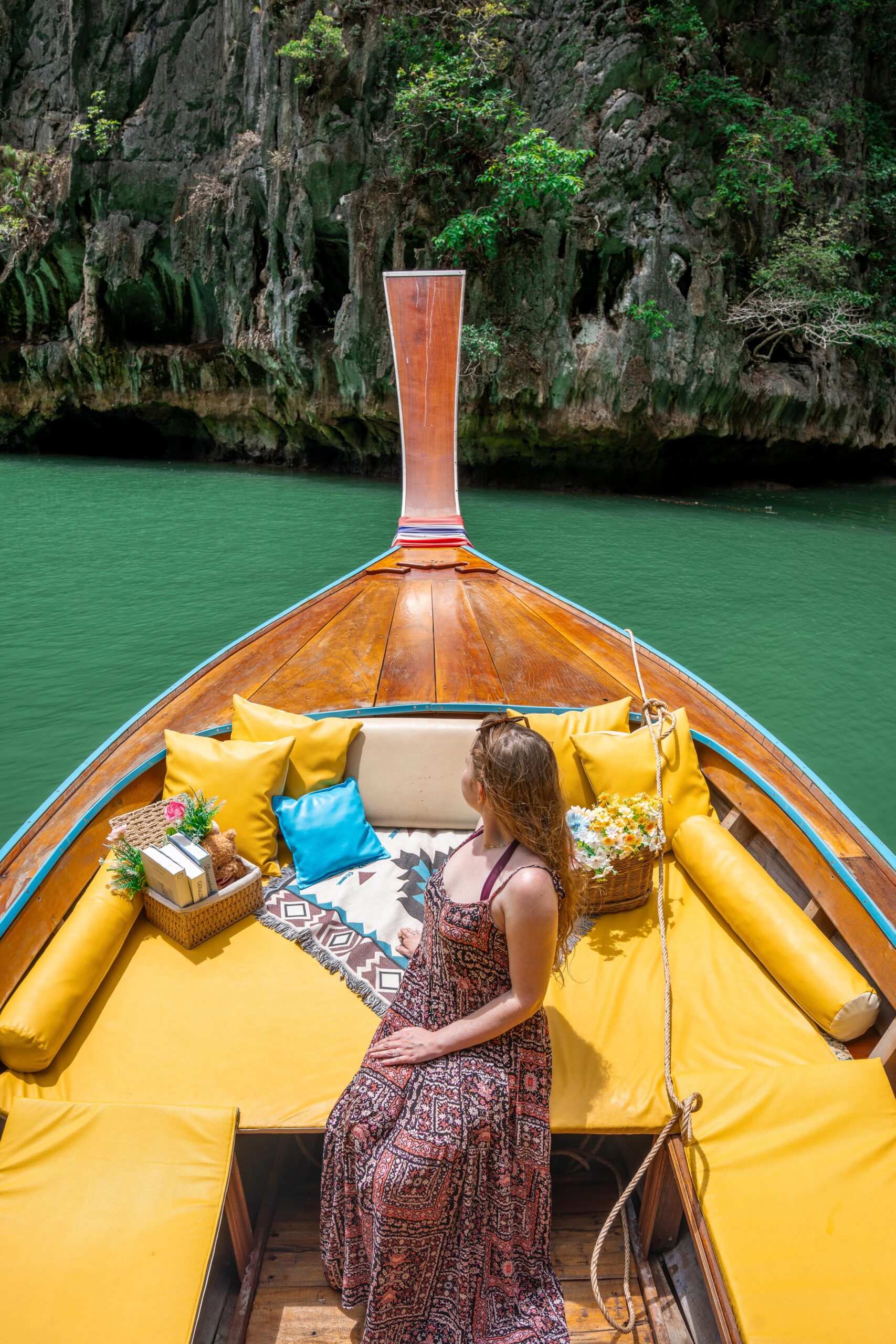
Tours to Maya Bay will also typically take you snorkeling at various spots around the Phi Phi islands (the marine life here is absolutely incredible!), visit Pileh Lagoon (a stunning emerald-colored lagoon surrounded by towering limestone cliffs), and stop by Viking Cave (where locals harvest bird nests for bird’s nest soup). So don’t worry, you’ll still get your swimming fix in! Tours typically last anywhere from 3-6 hours, so pick yours according to how you’d like to spend the rest of your day. Longer tours will also typically include a traditional Thai lunch.
Back to Tonsai

After your tour, you’ll return to Tonsai village. Depending on the length of the tour that you chose to go with, you have a few options for how to spend the rest of your day:
- Hike to the Phi Phi Viewpoint for absolutely stunning panoramic views of the twin bays (expect about a 20-30 minute uphill climb with lots of stairs). The viewpoint is best at sunset when the light hits the bays perfectly, so I suggest saving this for late afternoon or early evening, around 5pm, for the most surreal views.
- Explore Long Beach on the eastern side of the island, which is much quieter and more laid-back than Tonsai Bay, and perfect if you want to escape the crowds. You can walk there (it’s only about 20-30 minutes away) or take a longtail boat from Ton Sai Pier for around 100 baht each way.
- Rent a kayak and paddle around the coastline. There are some cool sea caves and hidden beaches that you can explore! There are tons of kayak rentals available along Loh Dalum Beach.
- Relax at your hotel pool or on the beach. You’ve been going non-stop for over a week now, so there’s absolutely no shame in just chilling out and doing nothing – especially if you are splurging on a more luxurious hotel in Koh Phi Phi.
Enjoy Dinner and a Fire Show

Enjoy a sunset at Loh Dalum Bay or Long Beach, and then have dinner in Tonsai. I suggest eating at one of the restaurants that I previously suggested!
If you’re feeling up to it, the beach parties with fire shows typically start around 9-10 pm and go until the early morning. Even if partying isn’t usually your scene, it’s definitely worth hanging around to experience a fire show, if you can spare the energy!
Day 13: Leisurely Phi Phi Morning & Travel Back to Krabi
Slow Morning in Phi Phi

Take a slow start for your last morning in Phi Phi – enjoy coffee at a nearby cafe or partake in an included hotel breakfast, take a morning dip in the sea, and pack your bags as you reach the end of your 2 weeks in Thailand.
Ferry to Your Final Destination

Check out of your accommodation and take the afternoon ferry back to Krabi. Once you’ve arrived, head straight to a hotel near the airport if you have an early flight the next morning, or check into a beach hotel if you want to squeeze in one last evening by the ocean.
If you have time and energy, spend your final evening wandering around, eating a delicious Thai dinner, or whatever else you want to do to make the most of your last night in Thailand!
*Side Note: Alternatively, you could compare flight prices and take a ferry to Phuket if you are able to find a better deal on a flight home from there. Phuket is Thailand’s largest island and has the biggest airport in southern Thailand, so there are more international flight options from there, and you might be able to avoid flying back to Bangkok entirely. The ferry from Phi Phi to Phuket takes about 1-2 hours, depending on whether you choose a speed boat or a larger ferry.
Day 14: Departure

Depending on your flight time, you might have time for a quick final swim or a leisurely breakfast before heading to the airport.
You’ll likely have to fly from Krabi back to Bangkok (1.5-hour flight) for your international departure. If your international flight is on the same day, be absolutely certain that you leave at least 3-4 hours between your domestic arrival in Bangkok and your international departure to account for any delays. I’ve heard horror stories of people missing connections, and you definitely don’t want to ruin your memory of this incredible trip with a frustrating and stressful experience like that!
If your international flight is early the next morning, I’d honestly suggest flying back to Bangkok the night before and staying near Suvarnabhumi Airport. It’s much less stressful than dealing with an early morning domestic flight where any delay could cause you to miss your international connection.
Option 2: Gulf of Thailand (January-September

If you plan to visit Thailand from May to September, you’ll experience much better weather in the Gulf of Thailand.
If you decide to go with this option, I suggest using Koh Samui as a base for the next 5 days instead of constantly hopping around from island to island. After 9 days of being constantly on the go, now is your time to relax, and hopping around from ferry to ferry can get tiring!
Koh Samui is a great base for exploring the Gulf of Thailand and you can still very easily visit surrounding islands as day trips, which I will go into more detail about shortly.
Where to Stay on Koh Samui:

- Luxury: Four Seasons Resort Koh Samui: Absolutely stunning hillside resort featured in HBO’s “White Lotus”, with beautiful private villas that have infinity pools overlooking the ocean.
- Midrange: Anantara Lawana: Stunning beachside resort offering polished rooms, wonderful service, and beautiful Thai decor.
- Budget: Samui Blue Bird: Lovely inland bungalows with rustic decor and a peaceful outdoor garden.
- Backpacker Budget: Lub d Koh Samui Chaweng Beach: Modern, social hostel right on Chaweng Beach with both dorms and private rooms available.
Day 9: Travel to Koh Samui
Flight to Koh Samui

From Chiang Mai, you’ll take a direct Bangkok Airways flight to Koh Samui. Bangkok Airways is the only airline operator that flies into Koh Samui, so this will be your only option. The flight from Chiang Mai to Koh Samui only takes approximately 1 hour and 45 minutes, so you’ll have a relatively short travel time!
Bangkok Airways is the nicest airline in Thailand, and it also tends to be the priciest. I suggest booking your flight as far in advance as you can to avoid crazy price gouges. Alternatively, you could fly into Surat Thani and then take a ferry to Koh Samui; however, this will make your travel day much longer, and you won’t be able to spend as much time enjoying the island on your first day there.
Koh Samui’s airport is honestly stunning and an experience in and of itself, as it’s completely open-air and has tropical gardens, cafes, and boutique shops.
Flights typically cost between $80-$160 when booked far enough in advance. Keep in mind that tickets can cost $350+ if booked last-minute, so you definitely want to plan ahead for this! I suggest finding your flight to Koh Samui via Skyscanner to compare the best rates.
Arrival to Koh Samui

Most flights arrive in Koh Samui in the late morning or early afternoon. From there, take a taxi or pre-arranged transfer to your accommodation.
Once you’ve checked into your accommodation, put on your bathing suit and head straight to the beach! Koh Samui has stunning beaches with clear, calm waters that are perfect for swimming the day away. If you’re staying at a beachfront hotel, spend some time on the hotel’s beach area, or find a nearby beach – any beach will seriously be stunning.
Evening at the Fisherman’s Village

Spend your first evening in Koh Samui wandering around the Fisherman’s Village in Bophut. The wooden shophouses are beautifully lit up at night, and there are tons of nice restaurants and bars in the area.
Stroll through the Fisherman’s Village Night Market, which is open Monday, Wednesday, and Friday (with Friday being the biggest and most extravagant day for the market), and is the longest night market in Koh Samui, selling everything you find at most Thai Night Markets, but with little local twists. If the market isn’t open on the day that you are there, take a stroll down the walking street instead to check out the local shops and street vendors.
Dinner + Fire Show at Coco Tams

Coco Tams is one of the most popular dinner spots in Koh Samui and is famous for its amazing nightly fire show! With that being said, you’ll want to make a reservation in advance to save yourself a spot. Unfortunately, there was a torrential downpour on the night that I went to Coco Tams, so the fire show was cancelled, but the food was still very tasty, and even the western food like pizza was (surprisingly) delicious!
Day 10: Koh Samui Island Exploration

You’ll spend the day exploring Koh Samui, visiting beautiful temples, relaxing on pristine beaches, and exploring hidden gems around the island.
Since you’ll be on the go, I suggest renting a scooter so that you can explore the island at your own pace. Alternatively, if you don’t feel comfortable riding a scooter, you could hire a private driver for the day (or rent a car). Driving on the island is pretty chill and not anything like the hectic streets of Bangkok or the windy roads surrounding Chiang Mai.
Visit the Big Buddha Temple & Wat Plai Laem

Start your day with a visit to the Big Buddha Temple (Wat Phra Yai), Koh Samui’s most famous landmark! It’s a massive golden Buddha statue situated on a small rocky island that’s connected to Koh Samui by a causeway. The temple is free to enter, and the views from the temple area of the nearby ocean are absolutely enchanting.

Afterwards, stop by Wat Plai Laem, which is just a few minutes’ drive from the Big Buddha. It’s a colorful complex that blends Thai and Chinese architecture, surrounded by peaceful koi ponds that are chock full of beautiful fish that you can feed. The main attraction here is the 18-armed statue of Guanyin (the Goddess of Mercy and Compassion). It’s absolutely stunning and incredibly photogenic. The temple is also free to visit and is much less crowded than the Big Buddha, which makes it a nice, peaceful stop before you continue exploring the island.
Enjoy Lunch at The Nature Samui


The Nature Samui is a wonderful hidden gem restaurant near Bophut, featuring stunning gardens, a lily pond, and food made from the freshest ingredients.
It’s located inland, so it’s outside of the more touristic areas closer to the beach, and it was where I had, hands down, one of the best meals of my whole time in Thailand. We actually took a cooking class here, as well, and learned how to make stuffed lotus leaves, which was an absolute blast and such a lovely cultural experience in a gorgeous setting.
Go Beach Hopping Around Samui

Koh Samui has lovely beaches that are all worth seeing, so I definitely suggest hopping around during your day of exploration! Here are a few of the best beaches to visit while you explore the island:
- Choeng Mon Beach: Stunning beach on the northeastern tip of the island with calm, shallow water perfect for swimming.
- Ban Tai Beach: Long, peaceful beach on the north coast with fewer tourists and a more local vibe.
- Coral Cove Beach: Lovely cove popular for snorkeling and surrounded by lush greenery.
- Chaweng Beach: The most developed beach in Koh Samui with the longest stretch of sand, tons of restaurants, and lots of beach activities.
- Lamai Beach: Popular beach lined with palm trees, bars, and restaurants, offering sunbed rentals and water activities.
Stop by the Grandmother and Grandfather Rocks

Just south of Lamai Beach are the Grandmother and Grandfather Rocks (Hin Ta and Hin Yai), which are naturally formed rock formations that have become somewhat famous due to their, um, very suggestive shapes that resemble male and female body parts 😅. I know it sounds silly, but they’re actually worth a quick stop for a laugh and some photos! Plus, the area around the rocks has a nice beach and some really good viewpoints.
Sunset at The Jungle Club

After spending time at the beach, head to The Jungle Club to enjoy drinks with a stunning sunset view. The Jungle Club is perched high up in the hills overlooking Chaweng and Lamai beaches, and the panoramic views are absolutely breathtaking.
I suggest arriving around 5-5:30 pm to grab a good seat before sunset (which usually falls around 6-6:30 pm, but obviously depends on the time of year). The road up to The Jungle Club is quite steep and winding, so if you’re not confident on a scooter, I’d recommend taking a taxi or a Grab up there.
The club does offer dinner if you are interested in staying longer. Their restaurant serves a fusion of Thai, French, and Italian cuisines prepared by a culinary expert, and is supposed to be quite delicious!
Lamai Night Market (Weekend Only)
If it’s Saturday or Sunday, definitely make time to visit the Lamai Night Market! It has everything from street food to local artisans making their goods right in front of you, and the atmosphere is much more authentic and local than some of the more touristy markets. It runs from around 5 pm-10 pm, so it’s the perfect place to end your epic day of exploration.
Day 11: Ang Thong National Marine Park
Ang Thong National Marine Park Day Trip

Visiting Ang Thong National Marine Park is an absolute must when visiting Koh Samui. This park is an absolutely stunning archipelago of 42 islands about 90 minutes from the main island. The park features dramatic limestone cliffs rising from emerald water, hidden lagoons, pristine beaches, and absolutely unforgettable snorkeling opportunities.
Join a full-day boat tour, most of which include snorkeling, hiking to viewpoints, visiting the Emerald Lagoon (a hidden saltwater lake that’s surrounded by cliffs that you’ll have to hike up stairs to reach), and a yummy Thai lunch on board the boat.


There are plenty of boat tours to choose from, ranging from budget-friendly, larger tourist boats to private yachts. For a more comfortable experience, I suggest signing up for a small group tour. If you have the budget for it or if you’re on your honeymoon, I’d suggest splurging on a private yacht tour for the most intimate, luxurious experience!
I absolutely loved this tour and thought it was one of the highlights of my time on Koh Samui! The scenery is absolutely breathtaking, and it gives you a chance to see a side of Thailand that feels completely untouched. Just make sure to check the weather before booking, as the tour can be cancelled if the seas are too rough. If you’re prone to seasickness, you’ll definitely want to bring some Dramamine in case the seas get choppy.
Alternative to Ang Thong:

If you want a more adventurous island-hopping experience and don’t mind packing and unpacking a few more times, you can skip the Ang Thong Marine Park day trip and instead spend a night or two on Koh Phangan and Koh Tao. This route gives you a chance to experience the unique vibes of each island – from Phangan’s bohemian beach scene (and potentially a Full Moon Party!) to Koh Tao’s laid-back diver atmosphere.
However, after almost 2 weeks of non-stop travel through Bangkok, Chiang Mai, and Chiang Rai, I personally preferred staying put on Samui and doing day trips instead. It gave me time to actually relax, unpack my suitcase, and enjoy the resort amenities without constantly being on the move. There’s no wrong choice here; it just depends on whether you prioritize adventure or relaxation at this point in your trip!
Day 12: Koh Tao Snorkeling Day Trip
Full-Day Snorkeling Tour to Koh Tao

Today I suggest taking a day tour from Koh Samui to Koh Tao, which is famous for having some of the clearest water and best snorkeling in all of Thailand! While you could take the public ferry to Koh Tao on your own, I highly recommend booking an organized snorkeling tour instead, as it’s much more convenient and they take you to the absolute best spots around the island.
Most tours depart from Koh Samui around 7:30-9am via speedboat and include 2-3 snorkeling stops at different sites around Koh Tao, all necessary snorkel gear, a guide, lunch, and hotel pickup/return. You’ll typically get back from this excursion around 5-6pm.
If you’re prone to seasickness, make sure to bring Dramamine or ginger pills! The speedboat ride to Koh Tao takes about 45 minutes to an hour and can get choppy, depending on weather conditions.
Alternative Activity: Beginner-Friendly Scuba Diving

The Gulf of Thailand offers world-class scuba diving opportunities, and Member Diving Snorkeling and Diving Center is a top-rated diving company in Koh Samui, offering beginner-friendly scuba excursions (no certification required). You’ll start off learning the basic skills of scuba diving before heading out into open water in Mango Bay or The Japanese Garden – 2 of Thailand’s prime scuba spots!
Return to Koh Samui
After returning to Samui in the late afternoon/early evening, you’ll probably be pretty tired from a full day in the sun and water. Grab a casual dinner near your hotel (7-Eleven, believe it or not, has quick, cheap, and tasty meals – sooooo much better than what we have in the west, and worth trying at least once during your time in Thailand) and spend the rest of your evening relaxing.
Day 13: Relaxing Final Full Day in Thailand
After almost two weeks of non-stop travel and a full day of activities yesterday, Day 13 of your 2 week Thailand itinerary is your chance to wind down and enjoy a more slow-paced final full day of your trip.
Slow Morning in Koh Samui

Feel free to sleep in and enjoy breakfast at your hotel or a nearby cafe. Lay on the beach, swim in the ocean, read a book, or even take a nap in a hammock! If you’re staying at a resort, now’s the perfect time to really enjoy the amenities that you’ve been paying for.
Afternoon Activity Options:

Depending on your energy level and what you’re in the mood for, here are some suggestions for the final afternoon of your 2 weeks in Thailand:
- Spa Treatment: Book a spa treatment at your hotel or at one of Koh Samui’s many excellent spas. A traditional Thai massage, body scrub, or aromatherapy treatment is the perfect way to pamper yourself before your long travel day tomorrow. The spa at Anantara Bophut is world-class, and was actually featured in HBO’s “The White Lotus”! It’s more of a splurge, but the setting and treatments are seriously top tier.
- Zipline Adventure: If you’re feeling adventurous, Koh Samui is a great place to enjoy ziplining! This ziplining tour takes you ziplining through the verdant jungle and stops by Tan Rua Waterfall.
- Explore More of Koh Samui’s Beaches: Rent a scooter or take a taxi and check out one of Samui’s beaches that you haven’t visited yet. Each beach has its own vibe, so it’s a lot of fun to explore different areas.
- Take a Cooking Class: If you didn’t do a cooking class in Chiang Mai or want to learn some more Thai dishes, there are several fantastic cooking schools in Samui, making for a memorable, immersive experience on your last full day in Thailand.
- Resort Day: Again, if you are staying at a resort, take the full day to enjoy the amenities, rather than just the morning.
Enjoy Your Last Dinner in Thailand

For your last full evening in Thailand, I suggest having a nice dinner somewhere special.
If you enjoy fine dining and are willing to splurge on your final meal, Tree Tops Signature Dining is a fine dining restaurant nestled in the treetops at Anantara Lawana Resort. This meal was definitely a highlight for me and the atmosphere was unlike anything that I’ve ever experienced. It’s the perfect place to enjoy an upscale final dinner in Thailand.
Alternatively, book a table at a beachfront restaurant and watch your last Thai sunset while enjoying fresh seafood and a cocktail. There are so many amazing restaurants in Koh Samui, so if there’s one you’ve been eyeing, now is your last chance to enjoy a meal there!
Day 14: Departure

If you have time before your flight leaves from Koh Samui, spend your last morning in Thailand enjoying breakfast and taking a quick dip in the sea.
Since Bangkok Airways is the only flight operator in Koh Samui, you’ll have a connecting flight that takes about 1.5 hours to Bangkok before you catch your final international flight back home. If you’re flying internationally the same day, make sure you have a solid 3-4 hour buffer between when you land in Bangkok and when your international flight takes off. Flight delays happen more often than you’d think, and the last thing you want is to spend your final hours in Thailand sprinting through the airport in a panic!
If your flight home leaves early the next morning, I highly recommend flying back to Bangkok the evening before and booking a hotel near Suvarnabhumi Airport. Alternatively, you could book an extra night or two in Bangkok after your time in Koh Samui if you have the flexibility to do so.
Conclusion
Two weeks in Thailand will give you an amazing introduction to a truly incredible country. From the bustling energy of Bangkok to the cultural richness of the north and the paradise beaches of the south, Thailand truly offers something for every type of traveler, and I’m confident you’ll be itching to return again in the future!
Remember that this itinerary is just a suggested framework, so feel free to adjust based on your interests, travel style, and the season during which you’re visiting. Some people might want to spend more time relaxing on the islands, while others might prefer more time exploring temples in the north. There’s really no wrong way to experience Thailand, but this 2 week Thailand itinerary is a great starting point for those of you who have never been to the country before.
The most important thing is to remain flexible, embrace the unexpected, and allow yourself to be swept up in the incredible warmth and hospitality that make Thailand such a special place.
🪷 Want the ultimate luxury Thailand experience? Check out my HBO’s White Lotus-inspired “Ultimate White Lotus Itinerary to Thailand”!
Like this post? Pin it for later!