Everything You Need to Know Before Visiting Italy’s Amalfi Coast in 2026


The Amalfi Coast is one of the most sought-after destinations in Europe, and for good reason! With its pristine coastline and dramatic cliffs dotted with pastel-colored villages, an abundance of world-class hotels frequented by the rich and famous, and a quintessentially Italian atmosphere that can be felt at every corner, it’s no wonder that the Amalfi Coast is a “bucket list” destination for so many.
The Amalfi Coast is undeniably beautiful, and I personally fell in love with the region during my 3 weeks there. However, it’s not uncommon for tourists visiting the Amalfi Coast to experience “Paris Syndrome”, where the destination doesn’t meet their expectations and leads to disappointment.
To ensure that you have as positive an experience in the Amalfi Coast as I did, you need to do a little extra research and planning ahead of your arrival. Lucky for you, I’ve put together this guide, which includes everything that helped elevate my personal experience in the Amalfi Coast (and everything I wish I had known before visiting the Amalfi Coast), so that you can have the trip of a lifetime in this picturesque region!
Here is everything you need to know before visiting Italy’s Amalfi Coast:
The Terrain in the Amalfi Coast

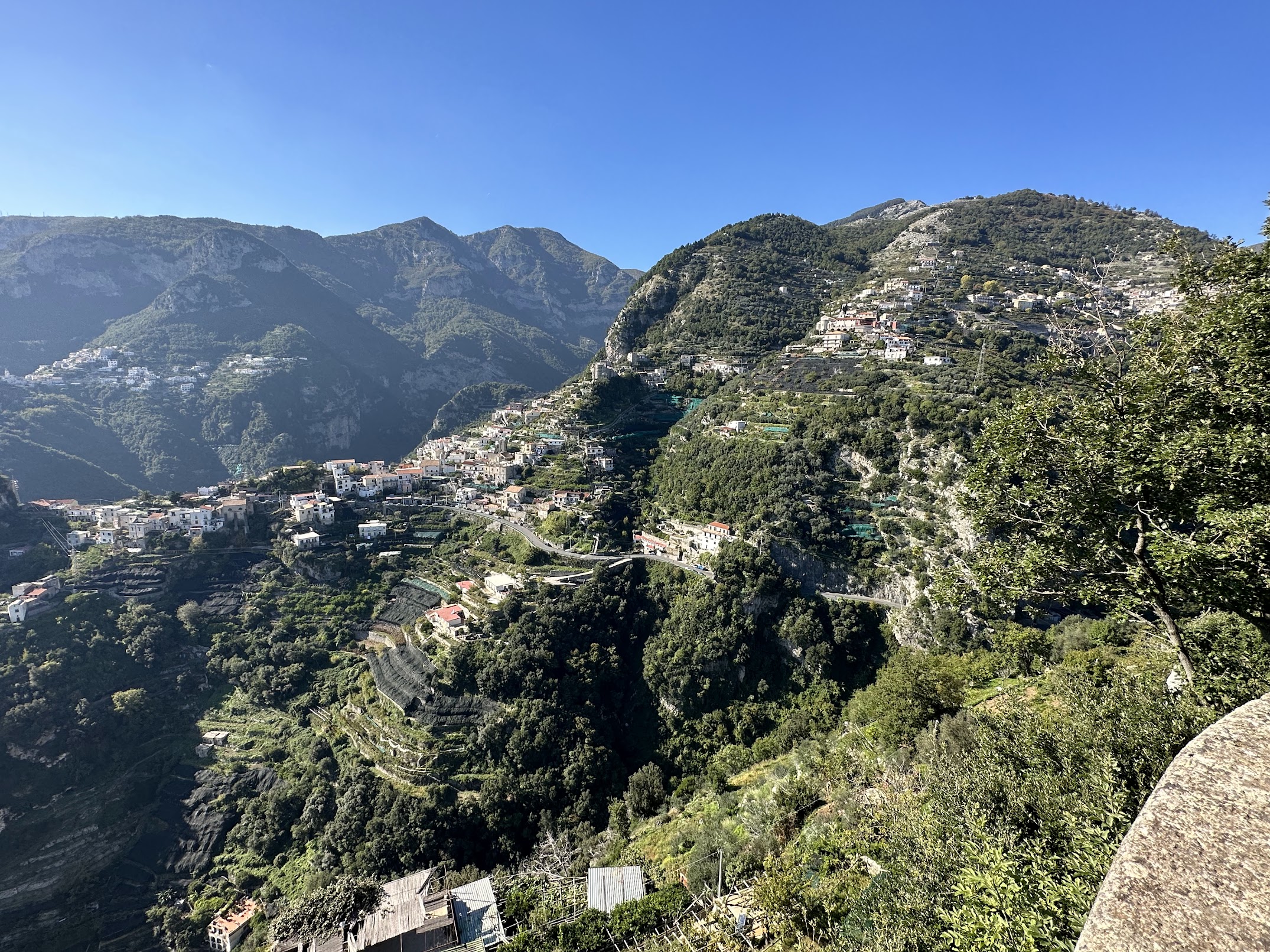
When most tourists look at the beautiful towns and villages cascading down the region’s dramatic cliff faces, they don’t think about the logistics of staying there.
The Amalfi Coast has lots of steep hills, elevation changes, and seemingly endless stairs. Many beaches (especially some of the best beaches in the Amalfi Coast) require going down hundreds of stairs, which doesn’t seem so bad… Until you have to go back up!
It’s not uncommon for accommodations to not have direct road access, so there’s a possibility you’ll have to walk a little to your accommodation – no direct drop-offs!

Walking isn’t the issue; it’s the fact that because the terrain is so steep, you’ll likely have to walk up lots of stairs (while carrying your luggage) to access your accommodation. This is especially relevant if you will be staying in an Airbnb or a privately-owned apartment rental. If you are staying in a hotel or in the heart of the tourist towns, this likely won’t be the case, as most hotels and guest houses have road access.
If you have a physical disability or struggle with climbing stairs, it’s important to research the accessibility of your accommodation before booking it so you won’t have any unwelcome surprises when you arrive at your destination.
Furthermore, if stairs are an issue for you, I highly recommend booking a place in the town center, where it’s closer to the coastline. Accommodation is usually pricier here, but it’s worth it if you don’t want to have to climb hundreds of steps every time you go out or come back to your accommodation.
 Pro Tip: The Amalfi Coast involves LOTS of steep stairs, cobblestone walkways, and plenty of opportunities for adventure. One thing you shouldn’t cheap out on for your Amalfi Coast trip is personal safety, which is why I strongly recommend allocating some of your budget to travel insurance.
 I LOVE SafetyWing Nomad Insurance because it’s budget-friendly and perfect for frequent travelers. It’s a subscription model, so you only pay for the days you’re actually exploring. It covers major issues so you can spend your “emergency fund” on an extra night in Positano instead!


How expensive really is the Amalfi Coast?

I won’t sugarcoat it – the Amalfi Coast is an incredibly expensive region. It’s not only popular amongst luxury travelers, but the towns are small and have limited accommodation options, so prices are super elevated due to the combination of low supply and high demand. There’s simply not enough space for how popular it is, so high prices basically act as a way to weed out the people that can’t afford to stay there… Yeah. Not my favorite thing about the region.
I don’t want this to scare you away from visiting, though. I promise there are ways you can still visit the Amalfi Coast on a tighter budget! It just requires extra planning and flexibility.
I put together an “Ultimate Budget Guide to the Amalfi Coast” for those who want to travel here but can’t afford the inflated prices you’ll find throughout the region. I highly recommend checking it out to help you save money on your trip!!!
Crowds in the Amalfi Coast

Like I just mentioned, the towns along the Amalfi Coast are small, and since it is such a famous tourist destination, they can get incredibly crowded… Like, wall-to-wall crowded, where you’ll find it impossible to have a relaxing experience due to the sheer number of people.
If you are visiting in the summer months, there’s really no way around the crowds except for getting out during the early morning hours, when only photographers and travel influencers are out and about. It’s worth the 5 am wake-up call to experience the region at its most peaceful during those busy months. Once the crowds start to pour in, you can head to a more secluded beach or spend hours swimming in the sea (you’ll definitely want to in the intense heat this time of year)!
With the crowds can also come some inconveniences you may not have planned for. Public transportation, like buses and ferries, can get packed, so you may find yourself waiting in line for a while just to secure a spot. So, you’ll need to have patience and be prepared to wait.
🌊 Pro Tip: Escape the Crowds via Boat Tours!
Beat the crowds of Positano and Amalfi and explore the Amalfi Coast by boat instead! These top-rated tours cover everything from hidden snorkeling grottos to private Positano sunset charters.

When to visit the Amalfi Coast
The time of year you visit the Amalfi Coast really depends on what you are looking to get out of your experience.

☀️Peak Season: Peak season in the Amalfi Coasts lasts Jun through August, and unless you are a teacher, will be traveling with kids (or have some other reason that you need to take the trip in the summer), I’d personally avoid peak season in the Amalfi Coast. Prices are at an astronomical yearly high, crowds are intense, and the heat can be unbearable.
If you’ve already booked your summer trip or visiting in the summertime is your only option, I’d spend more time exploring smaller towns and villages during the day when places like Positano and Amalfi are a total zoo! I’d also plan for early morning wake-up calls to experience the most popular destinations at their most peaceful.

🍂Shoulder Season: Shoulder season in the Amalfi Coast is when I personally recommend visiting. The temperatures are more moderate, and accommodation prices will have dropped significantly since the summer months!
Shoulder season in the Amalfi Coast is April-May and September-October. May and September can still get quite busy, but it’s nowhere near as bad as peak season. We personally had a fantastic experience visiting in early/mid-October! Temperatures were typically in the early 70’s (which still felt quite hot in the intense Mediterranean sun!), and the water was still warm enough to go for a dip whenever we wanted.

🌧️Low Season: Low season lasts from November through March. Expect chilly temperatures (nothing freezing), fewer crowds, and a more local experience. Accommodation prices are at a yearly low, making the destination, believe it or not, somewhat affordable.
The downside of visiting the Amalfi Coast in low season is that many shops and restaurants close for the year, and of course, the weather is too cold to swim (although you may see the occasional brave Italian local taking a morning dip).
This is also the wettest season in the Amalfi Coast, with an average of 10 rainy days per month. If you don’t mind the weather and you want to experience the Amalfi Coast through a more local lens, the low season is a great time to visit!
Getting to & Around the Amalfi Coast
Getting to the Amalfi Coast

Getting to the Amalfi Coast isn’t as straightforward as getting to Rome or Florence. There are no airports on the Amalfi Coast, so you’ll have to figure out transportation if you are coming directly from the airport. The closest international airports to the Amalfi Coast are Naples (NAP) or Salerno (QSR), each of which is about an hour away.
The most convenient way to get to the Amalfi Coast is via private transfer. It’s the most costly, but honestly worth it (especially if you had an overnight flight and are super jetlagged). I suggest booking with GetTransfer or finding a transfer through GetYourGuide.
Getting Around the Amalfi Coast

Since you’ll likely want to explore the Amalfi Coast beyond Positano, you’ll need to figure out local transportation during your time on the coast. I don’t recommend hiring a rental car due to traffic restrictions and limited (and expensive) parking options, but for the most flexibility, you can rent a scooter or Vespa (only if you have experience and feel comfortable navigating the winding roads).
Most tourists get around with the local SITA bus or ferry. The SITA bus is incredibly well-connected, and you can get pretty much anywhere on the coast with it! The ferry has more limited options, but is the more scenic and comfortable option. Taxis are readily available throughout the Amalfi Coast, but they are incredibly expensive, and I only recommend using them if/when you are switching hotels.
I’ve put together an in-depth transportation guide to the Amalfi Coast, which I highly recommend checking out. Transportation is one of the most important things to research before you get there, since it can be a little complicated at times.

Where you should stay during your time on the Amalfi Coast

I suggest choosing one town as a base for your entire Amalfi Coast trip. Many tourists choose to split their time in Positano and Amalfi, but the coast isn’t that large, and most travel times between towns won’t exceed an hour. Choosing a base will allow you to relax and spend less time packing and unpacking, and more time enjoying your time on the coast!
Here are some of the best towns to base yourself in the Amalfi Coast:
Positano

Positano is the most iconic (and expensive) town on the Amalfi Coast, making it a popular choice for visitors. It’s also one of the most convenient bases due to its connectivity to other towns. If you choose to stay in Positano, you’ll also get to experience the town at its most peaceful moments in the early morning and evening, after day-trippers and cruise ship crowds have left for the day.
🛌 Where to Stay in Positano
VIEW ALL


Amalfi

Amalfi is another one of the most convenient towns to base yourself in on the Amalfi Coast, thanks to its proximity to popular attractions and connectivity. Accommodation prices in Amalfi are generally more affordable than in Positano, but with that comes the sacrifice of the iconic clifftop views, since it sits at a much lower elevation.
🛌 Where to Stay in Amalfi
VIEW ALL


Praiano

Praiano is an ideal base if you’re looking for the iconic Amalfi Coast vibes without the intense crowds and premium prices. It has a more local, relaxed atmosphere compared to Positano, but it still has a very similar postcard-worthy aesthetic!
🛌 Where to Stay in Praiano
VIEW ALL


Ravello

Ravello is a clifftop town, so it’s a little more out of the way, making it an ideal base for those who want to be away from the hustle and bustle. It’s still a popular tourist town and can get crowded with day-trippers, but otherwise it remains fairly quiet in comparison to the coastal towns.
🛌 Where to Stay in Ravello
VIEW ALL


Beaches in the Amalfi Coast

The Amalfi Coast is renowned for its pristine beaches with crystalline waters backed by dramatic clifftop views.
It’s important to note that most beaches in the Amalfi Coast are pebble beaches, not sandy beaches. The pebbles can feel a little uncomfortable on bare feet, so I suggest packing water shoes to avoid any discomfort.

The Amalfi Coast is also famous for its beach clubs, with plenty of options for sunbed rentals and food/drink service while you enjoy your time at the beach. Beach clubs are notoriously pricey here, with some rentals costing up to €50 per chair during peak season (so you’ll be paying €100 since they always come in sets of 2).
If you don’t want to shell out this much money for a beach chair, don’t worry. There is plenty of space in the free areas for you to lay out a towel. Plus, you’ll probably want to spend more time in the water than on the beach on a hot sunny day.
What to Pack for an Amalfi Coast Trip

There are a few things I suggest packing that are difficult to come across (or just way too expensive) in shops along the Amalfi Coast. You’ll want to pack comfortable walking shoes since you’ll be doing lots of walking, sometimes on uneven ground. I also suggest packing water shoes for the pebble beaches that I mentioned. Sunscreen is also important, especially if you are like me and burn easily! You can find sunscreen in markets throughout the coast, but it’s rare to find anything over SPF30, and the prices are crazy high.
Here’s a short list of essentials that I recommend packing for the Amalfi Coast:
Amalfi Coast Packing Essentials
Don’t buy these at the tourist shops on the coast (they’ll cost double!). Grab them before you go:
Conclusion
If you’ve taken the time to read through this post, I can promise that you’re already more prepared than 90% of tourists who visit the Amalfi Coast every year. The Amalfi Coast truly is a dream destination, and with a little research and planning beforehand, I can promise you’ll have a fantastic trip filled with memories to last a lifetime. Here’s to your trip!