The Ultimate Guide to Mljet, Croatia


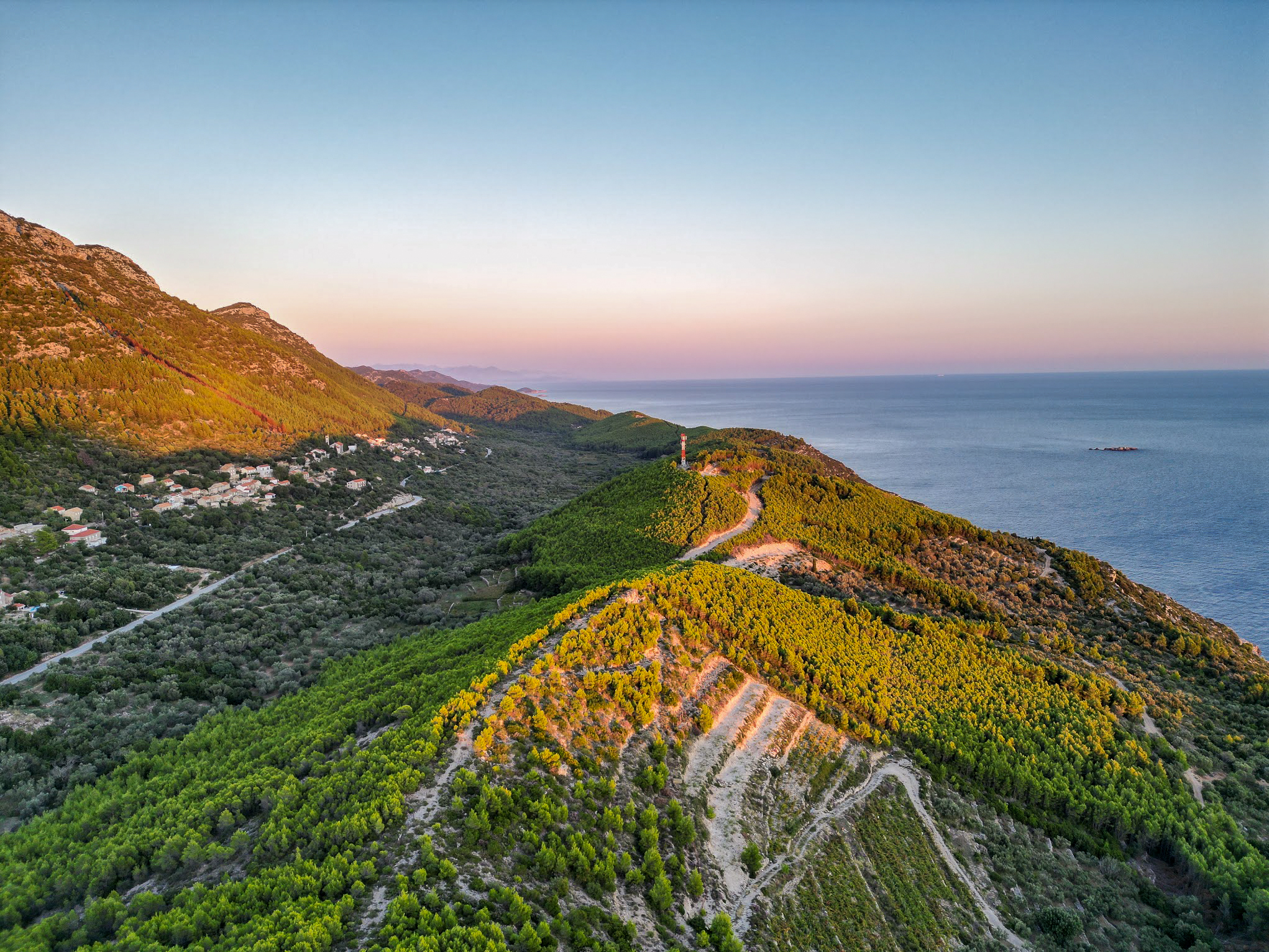
Not only is Mljet Croatia’s greenest island, but it is, in my opinion, one of the most underrated destinations in the entire country! While most tourists flock to more famous island destinations like Hvar, Korčula, or Brač, Mljet quietly sits just off the coast near Dubrovnik, teeming with rolling mountains blanketed in dense pine forests. Mljet is also home to the country’s oldest national park, Mljet National Park, which is renowned for its stunning saltwater lake.
I first heard about Mljet during my month-long stay in Croatia back in 2017. A French couple was gushing about how beautiful the island is, and I knew the next time I returned to Croatia, Mljet would be number 1 on my list of spots to visit!
Fast forward 7 years, and I returned to Croatia with my fiancé, upon which we quickly made our way to Mljet. After spending a few days exploring the island, I can honestly say it exceeded my expectations! From the emerald lakes of Mljet National Park to the powdery sandy beaches along the southern end of the island, Mljet feels like a completely different side of Croatia that’s wilder, greener, and far less crowded.
If you love nature, quiet villages, and a slower pace of travel, Mljet is an absolute must-add to your Croatia itinerary!
In this guide, I’ll walk you through everything you need to know to plan your own trip to Mljet, including how to get there, where to stay, the best beaches, information about the national park and Odysseus Cave, and all the little details we learned firsthand (including a few mistakes you can avoid).
This post contains affiliate links, which means I earn a small commission on purchases made through these links. All opinions are my own.
- How Much Time Do You Need in Mljet?
- Mljet as a Day Trip from Dubrovnik
- Best Time to Visit Mljet
- Do You Need a Car in Mljet?
- How to Get to Mljet
- Where to Stay in Mljet
- 🌲🌊 The Best Things To Do in Mljet
- Mljet National Park
- Relax on Mljet’s Beautiful Beaches (Best Beaches in Mljet)
- Odysseus Cave
- Where to Eat in Mljet
- Conclusion
How Much Time Do You Need in Mljet?

Mljet is a small island, but it’s packed with a lot to see and do. If you’re short on time, you can technically experience the highlights (the national park and Odysseus Cave) as a long day trip from Dubrovnik. However, I’d strongly recommend spending at least 2 to 3 days on the island, if you can, so that you can take your time exploring the island.
Having more time allows you to properly explore the national park without feeling rushed, gives you time to relax on Mljet’s beautiful beaches, and provides the time to go hiking or cycling. We spent 4 nights on the island, and although we saw all of the highlights, we felt like we could have stayed even longer!
Mljet as a Day Trip from Dubrovnik

If you’re short on time, it’s completely possible to visit Mljet as a day trip from Dubrovnik, particularly if your main priority is the national park.
During the summer months, the passenger catamaran departs Dubrovnik for Mljet’s port village of Polače in the early morning, giving you roughly 6 to 7 hours to explore the national park before the final return boat departs in the late afternoon. This is plenty of time to bike the lake loop, take the boat to St. Mary’s Islet, and grab lunch before heading back.
If you’d rather not navigate the logistics yourself, a Guided day tour from Dubrovnik is a great alternative, and typically includes transportation, a guided walk or bike through the park, and sometimes a stop at Odysseus Cave as well!
Best Time to Visit Mljet

Mljet is best visited between late May and September, when the weather is warm enough for swimming, and the island’s ferry and boat schedules are running at full capacity. July and August bring the warmest water temperatures and busiest crowds (mostly local tourists), while June and September offer a nice in-between, with fewer tourists and milder heat, but still plenty of sunshine for beach days. We visited around mid-September and had a fantastic experience, with beautiful weather and very few crowds.
Keep in mind that outside of peak season some restaurants and rental shops limit their hours and ferry schedules scale back significantly, so if you’re visiting in the shoulder season it’s worth double-checking opening hours and ferry schedules ahead of time.
Do You Need a Car in Mljet?

The best way to get around Mljet is by renting a car, as this will give you the most flexibility to explore the island at your own pace. Mljet is a small island, and it only takes about an hour to drive from one end to the other, but having your own car makes it so much easier to see everything the island has to offer without being tied down to a single area.
We chose to have a rental car during our visit, and it was absolutely the right call. Having a car gave us a wider range of accommodation options to choose from, providing us with the freedom to base ourselves in Babino Polje, a peaceful mountain village that isn’t within easy walking or biking distance of the national park, while still allowing us to comfortably explore both the northern and southern ends of the island in a single day. The car also made beach hopping between Velika Saplunara, Mala Saplunara, and Plaža Sutmiholjska incredibly easy, something that would have taken a lot more time and planning without one.
There are a few car rental companies on the island, if you’d like to have a rental car but don’t want to deal with bringing one over on the car ferry. I personally think it’s easier to just bring your rental over from the mainland via the Prapratno to Sobra ferry, instead of renting locally on the island, since it simplifies the logistics of getting to the ferry port and should provide you with cheaper car rental options.
If you have limited time, or only plan to visit the national park, you don’t necessarily need a car. If you’d prefer not to hire a rental car, you could base yourself in the town of Polače, right next to the national park. Here, you’ll find plenty of accommodation and restaurant options. Renting a bike is a great alternative if you are staying in Polače, which sits right at the edge of the park and is easily bikeable from there.
How to Get to Mljet

Getting to Mljet is part of the adventure, and there are a couple of different routes depending on whether you’re bringing a car.
Prapratno to Sobra (Car Ferry)
If you’re renting a car for your Croatia road trip, the Prapratno to Sobra ferry is hands down the best way to bring your vehicle onto the island. This route is operated by Jadrolinija (line 832) and departs from Prapratno, a small ferry port on the Pelješac Peninsula, located about 60 km from Dubrovnik and just past the town of Ston.
The crossing takes about 45 minutes, and prices vary depending on the season. In the off-season (January through late May, and late September through December), a one-way adult ticket costs around €3.90, with a standard-sized car costing around €19.60. During peak season (late May through late September), prices increase slightly to €6.10 per adult and €25.50 per car. Bikes can also be brought aboard for a few extra euros.
I highly recommend arriving at least 45 minutes, and up to an hour early during peak summer months, before your scheduled departure if you have a car, since vehicle spots are limited and fill up on a first-come, first-served basis.
I was a little nervous because this was our first time taking a car ferry, but it was SO easy! All you do is show up to the ferry port, go to the ticket office, and let them know you’ll be purchasing a round-trip ticket for a car. From there, port workers will gently guide you on where to park, and you are all set!
Bonus: Beach Prapratno

Most guides won’t mention this, but Beach Prapratno is an absolutely stunning sandy beach located right next to the ferry port! It’s the perfect place to relax and take a dip while you wait for your ferry! You’ll actually pass right by it on the drive in, and trust me, it’s too beautiful to resist.
I suggest wearing your bathing suit under your clothes for your travel day and building in an extra hour or so to your schedule before your ferry departure to allow yourself to enjoy the beach. It’s a lovely, low-key way to kick off your time in this part of Croatia, and a nice reward after the drive from Dubrovnik.
Passenger Catamaran from Dubrovnik
If you don’t have a car, you can also reach Mljet via passenger catamaran directly from Dubrovnik’s Gruž port. These fast ferries (state lines 9807 and 9808) sail to Sobra, and on certain dates, continue onward to Polače as well! The crossing takes roughly 1 hour 20 minutes to 1 hour 40 minutes, and one-way adult tickets run around €8 to €9, depending on your exact route and destination port.
This is a great foot passenger option if you’re planning to explore Mljet by bike or on foot, or if you’re visiting as a day trip (more on that below).
Passenger Catamaran from Korčula
If you’re island hopping and coming from Korčula rather than Dubrovnik (or you are staying in Korčula and want to take a day trip to Mljet), TP Line and Krilo both operate seasonal catamaran routes that connect Korčula Town to Pomena on Mljet. These sailings run primarily between April and October, so check to make sure it’s running if you’ll be visiting in the off-season! There are no car ferries available on this route, and prices are higher for tickets, at about €25.
Passenger Catamaran from Split
If you’re coming from Split, there’s also a seasonal catamaran connecting Split to Pomena on Mljet, run by Kapetan Luka on the Krilo catamaran line, with stops along the way in Milna (Brač), Hvar, and Korčula. This route runs from April 1st through October 31st, so like the Korčula connection, it’s worth double checking that it’s actively running if you’re visiting outside peak season. It’s the longest of the passenger routes, taking about 3 hours and 5 minutes, and it’s also the priciest, with one way tickets running around €30. Since it’s a foot passenger only route with no car ferry option, this one makes the most sense if you’re already island hopping through Central Dalmatia.
Where to Stay in Mljet

Since Mljet is such a small island, where you stay really comes down to what you want to prioritize during your visit. Since Mljet is not an overly-touristic destination, you’ll find few hotel options and far more guest houses and apartment rentals.
If you’re visiting Mljet for the first time and want the most convenient home base, I’d suggest Polače . It’s the most popular village for tourists to stay in, since it’s situated right at the edge of the national park and is easily walkable or bikeable to the park entrance. Polače is by far the best choice if you don’t plan to have a rental car during your time in Mljet.
Sobra is another popular option, particularly if you’re arriving by ferry and want to minimize travel time to your accommodation, since it’s the island’s main ferry hub.
We stayed in an apartment in Babino Polje , a peaceful mountain village toward the southeastern part of the island. We specifically chose this as our base because it sits at a great halfway point between the national park to the north and the island’s best sandy beaches to the south, meaning that we didn’t have to sacrifice easy access to either!
Below are a few of the top-rated accomodations in Mljet, for every budget:

Boutique Pine Tree Resort Luxury Apartments & Restaurant
$$$$Easily one of the most luxurious stays on the island, tucked among the pine trees with beautifully designed apartments and an on-site restaurant. A fantastic pick if you want a truly relaxing, upscale base for exploring Mljet.
Book now →
Apartments Palma
$$$Comfortable, well-kept apartments with a warm, homey feel, perfect for travelers who want a little extra space and privacy without breaking the bank. A great midrange option for a few nights on the island.
Book now →
Apartments Pavlić
$$A cozy, budget-friendly apartment stay with genuinely welcoming hosts. Simple, clean, and comfortable, making it an easy choice if you’d rather put more of your budget toward exploring the island itself.
Book now →
Calypso’s Cave
$$A fun, budget-friendly stay with a playful nod to the island’s Odysseus legend! It’s a social, laid-back option that’s great for meeting fellow travelers during your time on Mljet.
Book now →🌲🌊 The Best Things To Do in Mljet
Mljet National Park

Mljet National Park is Mljet’s main attraction and is what attracts most people to Mljet in the first place. It’s Croatia’s oldest national park (established in 1960) and covers the northwestern portion of the island, centered around two stunning saltwater lakes, Veliko Jezero (Big Lake) and Malo Jezero (Small Lake).
Entrance tickets can be purchased at the park entrance or online in advance (though it’s actually cheaper to just purchase them in person at the park), and prices vary slightly depending on visitor age and the time of year you visit, so I’d recommend checking current rates before you go, especially if you’re visiting in the peak summer months. Below is the current entrance price list as of 2026:

Entry tickets include transport by electric train (we didn’t take this, but it’s a good option for those with physical disabilities or who don’t feel like walking or biking), and a boat ride over to St. Mary’s Islet. Tickets are valid for up to 7 days for those who are staying overnight in Mljet, which is a great perk!
The Trails Around the Saltwater Lakes
The best (and most popular) way to explore the park is by renting a bike and riding the path that loops around both lakes. The ride is mostly flat, scenic, and dotted with spots to stop for a swim in the lake along the way. You’ll find plenty of options for bike rentals at the start of the lake trail; you can’t miss them!

If biking isn’t your thing (or you’re like me and never learned how to ride one 😅), you can also choose to walk the Veliko Jezero Loop Trail, which is 5.7 miles and takes around 2 to 2.5 hours to complete. We did this twice during our stay in Mljet, and although it obviously took longer than biking, it was nice to take the scenery in at a slower pace.
If you want to combine both lakes into one loop, there’s also a longer route that traces the shoreline of Malo Jezero before crossing over Mali Most, the small stone bridge connecting the two lakes, and continuing around Veliko Jezero. It’s a great option if you want to see the full scope of the park without doubling back on yourself.
Montokuc Viewpoint

For those who want a bit more of a challenge (and one of the best views in all of Mljet), I highly recommend hiking up to Montokuc, the park’s highest accessible viewpoint at 253 meters. The trail to the top starts near Pomena or Polače and takes roughly 40 to 50 minutes to complete, along a moderate but manageable incline through shaded pine forest. Once you reach the top, you’re rewarded with sweeping panoramic views of both lakes, the surrounding pine forest and, on a clear day, you can even spot the Pelješac Peninsula and the islands of Korčula and Lastovo off in the distance!
If Montokuc feels like too much of a detour, Veliki Gradac is a shorter, lower elevation alternative at 157 meters, with similarly beautiful views over the lakes below. Just keep in mind that the trail gets rocky and narrow in sections as you climb, so if you’re not a fan of heights, I’d suggest keeping your eyes on the trail, rather than the drop-off to the side!
Mljet’s Natural Water Slide

One of my favorite spots inside the park was near the bridge (Mali most) connecting the two lakes, where the current from the river flowing beneath it creates a fun “slide” effect in the water. You can simply float on your back, and the current will take you down the stream, beneath the bridge, and into the opening of the lake. While the current may look quite fast, it’s completely safe, especially since it’s salt water (so you float easily). Obviously still take precaution, especially with little ones.
St. Mary’s Islet

From Veliko Jezero, you can also catch the small boat over to St. Mary’s Islet, home to a 12th-century Benedictine monastery. The park’s electric boats run every 30 minutes during peak season, and the ride itself takes less than 10 minutes. It’s a small island with not much going on, but it’s a nice way to break up your day of biking or walking around the lakes. If you’re hungry, you can choose to grab lunch at the monastery restaurant!
Relax on Mljet’s Beautiful Beaches (Best Beaches in Mljet)
Mljet doesn’t have a ton of beaches, since a lot of the island is elevated and lined with dramatic cliffs, but the beaches it does have are absolutely stunning! Below are my top picks:
Velika Saplunara

This was, hands down, my favorite beach on the island. Velika Saplunara is a gorgeous stretch of soft sand tucked into a quiet cove at the southern end of the island, and it truly felt like paradise! There are beach chair and umbrella rentals available if you want to post up for the day, along with a cute little beach bar nearby for drinks and snacks.
Mala Saplunara
Just down the road from Velika Saplunara is Mala Saplunara, a smaller, quieter beach with the same soft sand and turquoise water! If you’re looking for a slightly more intimate, low-key beach day, Mala Saplunara is the one to seek out.
Plaža Sutmiholjska

Plaža Sutmiholjska is another lovely beach option, located near Babino Polje, roughly between the northern and southern ends of the island. It’s smaller and pebbly, rather than sandy, but, in my opinion, it’s actually the best spot for swimming if you’re looking for a beach between the national park and the Saplunara beaches down south.
Odysseus Cave

According to legend, Odysseus Cave is the very spot where Homer’s Odysseus was shipwrecked and held captive by the nymph Calypso for seven years, as told in The Odyssey. Whether or not you buy that this spot inspired the legend, it’s an incredible natural sea cave well worth visiting, with strikingly clear turquoise water illuminated inside.
Parking is available by the Tommy Market , and from there, it’s a 15-minute, somewhat steep hike down to reach the water. I’d definitely recommend wearing comfortable shoes or walking sandals, since the terrain is quite rocky.
To actually get inside the cave, you have to jump into the water from the rocks. Don’t worry though, it’s a short, easy jump, nothing like cliff diving, so even if you have a fear of heights, you should be totally fine. There’s also a rope available to help you climb back out of the water once you’re ready to leave.
One important thing to know: on windy or breezy days, the water around the cave entrance can get really choppy, which can make getting out of the water tricky and often actually makes the cave inaccessible altogether. This happened to us during our visit, so if the cave is on your must-do list, I’d recommend checking wind conditions ahead of time and building in some flexibility to your schedule, in case you need to try another day.
 Pro Tip: Get there around noon, when the lighting perfectly hits and illuminates the water inside the cave, creating a mystical glowing effect.
 Enjoy a post-swim drink at Kalypso Bar

Right next to the cave is Kalypso Bar, an adorable little spot to grab a drink after your swim. Just one important tip: it’s cash only, and unfortunately, we didn’t have any on hand during our visit, which was a bummer. Learn from our mistake and bring euros with you!
Where to Eat in Mljet

Mljet may be small, but it has some fantastic local restaurants! Below are some of the top-rated dining options in Mljet:
- $ Caffe Pizzeria Komarac: Pizzeria Komarac serves, hands down, the best pizza in Mljet (our Airbnb host claimed it was actually one of the best pizza spots in all of Croatia). They had absolutely delicious, affordable pizza options and stunning views of the surrounding mountains and coast. Go at sunset for the best views!
- $$ Konoba Ribar: If you’re staying closer to Pomena or exploring the national park area, Konoba Ribar is a beloved seafood spot right on the waterfront, known for fresh fish, homemade pasta, and gorgeous sunset views over the water. It’s incredibly popular with locals and tourists alike, so I’d recommend making a reservation if you can!
- $$ Restaurant Melita: If you want to grab a meal without leaving the national park itself, Restaurant Melita is located on St. Mary’s Islet inside the park and is a good option that lets you extend your time exploring the lakes and monastery without needing to head back into town for food. It’s not the best restaurant in Mljet, but the food is still tasty, and it’s a convenient, unique dining experience.
- $$$ Konoba Gundulište: This is another local favorite, known for traditional Dalmatian cuisine and its cozy atmosphere. It’s a little pricey, but it makes for a wonderful splurge dinner during your time on the island. Plus, it’s literally right next to the sea, so you’ll be sure to have lovely coastal views that you can enjoy alongside your meal!
Conclusion
Mljet is without a doubt one of the most underrated islands in Croatia. Between the emerald lakes of the national park, the soft sandy beaches in the south, the mystery of Odysseus Cave, and the slow, quiet village life, Mljet offers a side of Croatia that is truly untouched compared to its more famous island neighbors.
Whether you visit as a quick day trip from Dubrovnik or spend a few unhurried days exploring at your own pace, Mljet is absolutely a spot to include on your Croatia bucket list!
✈️ Planning a trip to Croatia? Check out my other Croatia blog posts to help plan your trip!
More Croatia guides to explore
 Croatia
The Ultimate Budget Guide to Dubrovnik, Croatia
How to experience Dubrovnik’s Old Town, beaches, and top attractions without breaking the bank.
 Croatia
The Ultimate Guide to Korčula, Croatia
Marco Polo’s supposed birthplace, medieval old town streets, and some of the best wine in Dalmatia.
 Croatia
What You Need To Know Before Visiting Plitvice Lakes National Park, Croatia
Everything to know before visiting Croatia’s most famous (and most photographed) national park.